probius
digital biology
the
client
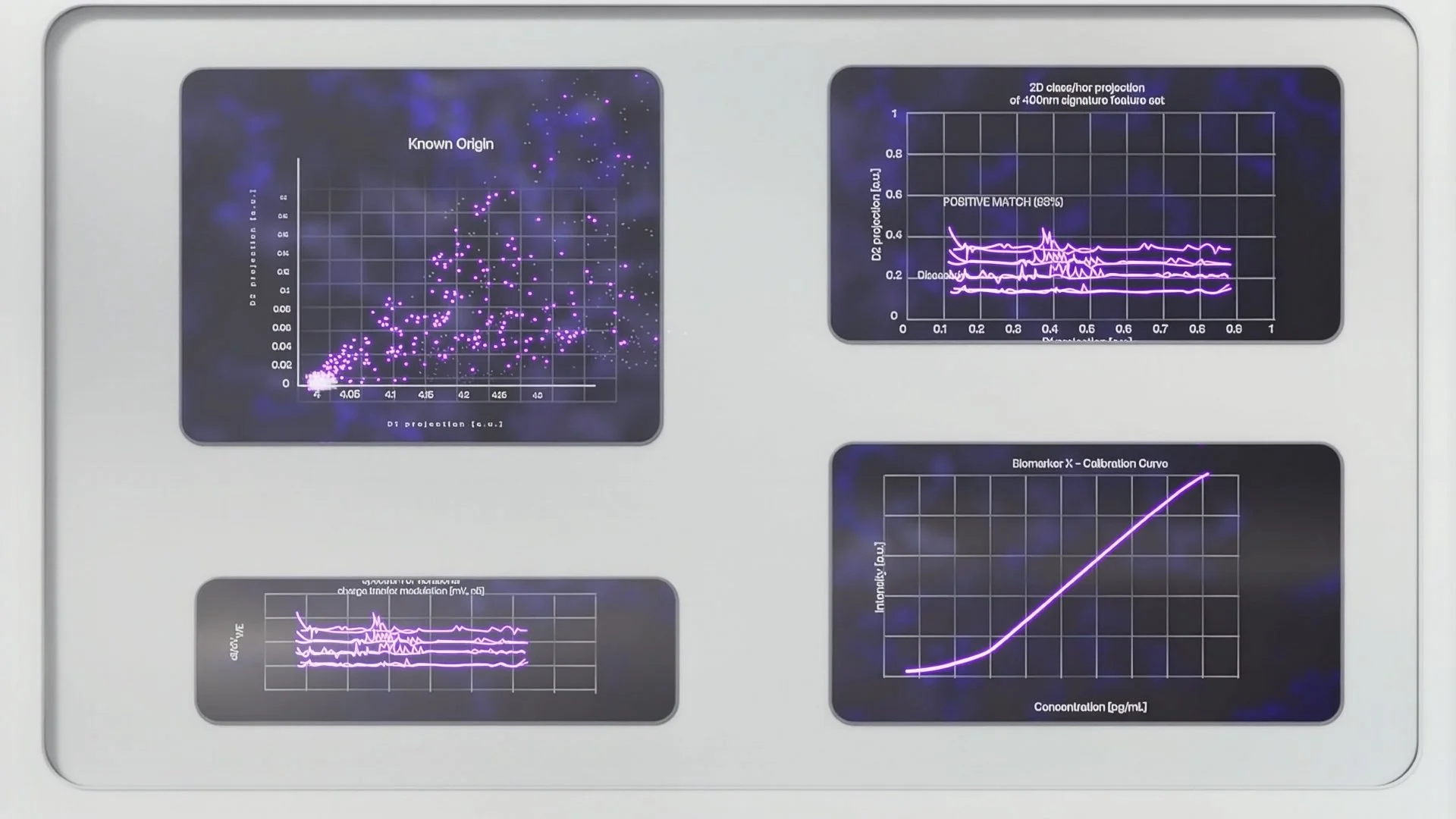
Probius bridges the gap between molecular biology and AI. Their QES (Quantum Electrochemical Spectroscopy) technology, can read the unqiue vibrational signatures of biological molecules at the quantum level. Today testing requires thousands of bespoke reagents, each testing for isolated biomarkers. It’s complex, requires expertise and the amount of sample determines how many tests you can run.
Probius is simple to use. It requires tiny amounts of any given sample and it digitzes it in it’s entirety so it can be scanned far into the future. For the first time, anybody can easily convert biology into a mathematically exact copy on a computer. This becomes data that can easily be analyzed by AI, opening up an entire new medium of discovery. As someone who sees alot of tech, this is groundbreaking stuff.
simplified message
Probius turns biology into data that can be easily analyzed by AI.
product
visualization
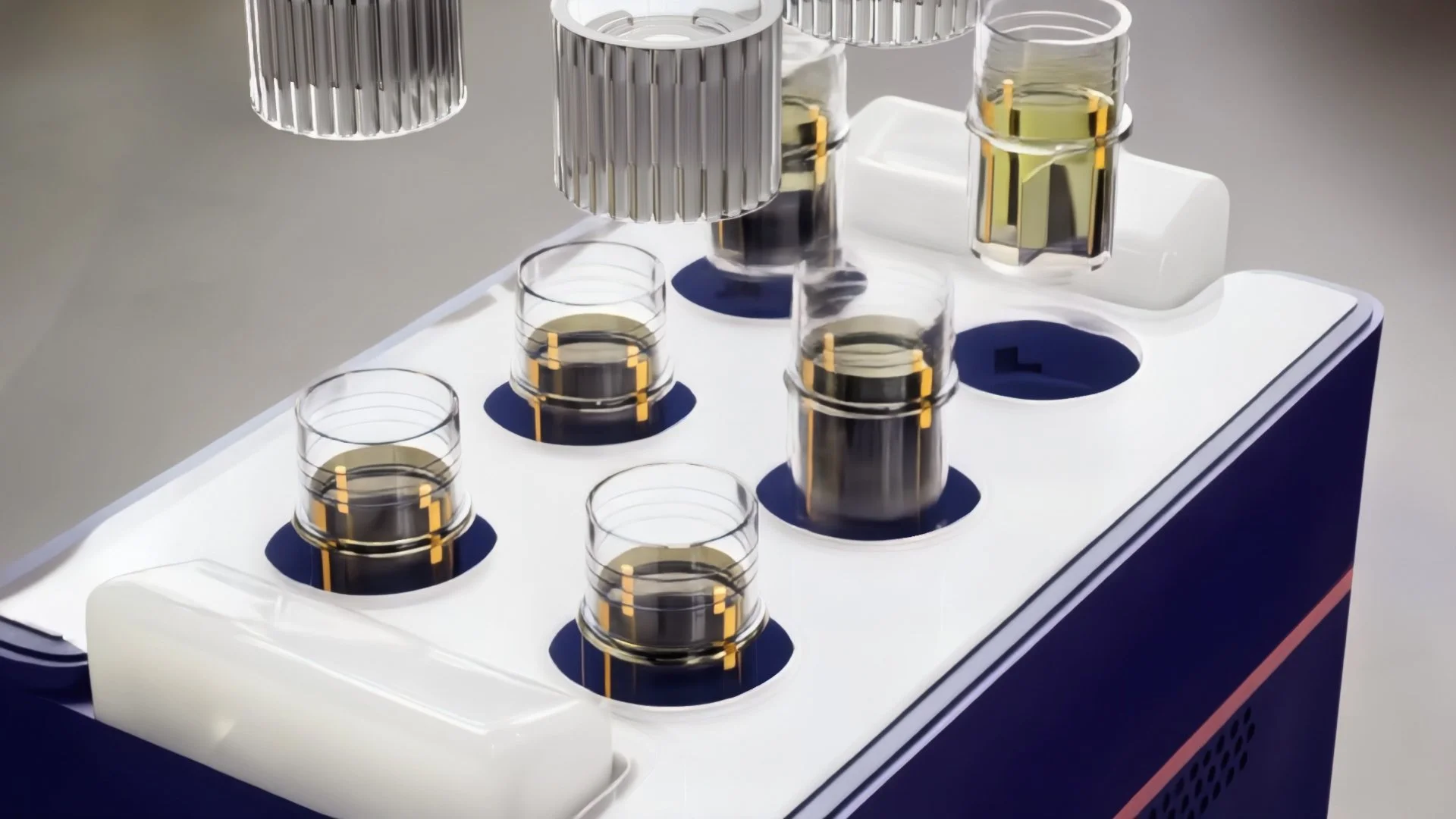
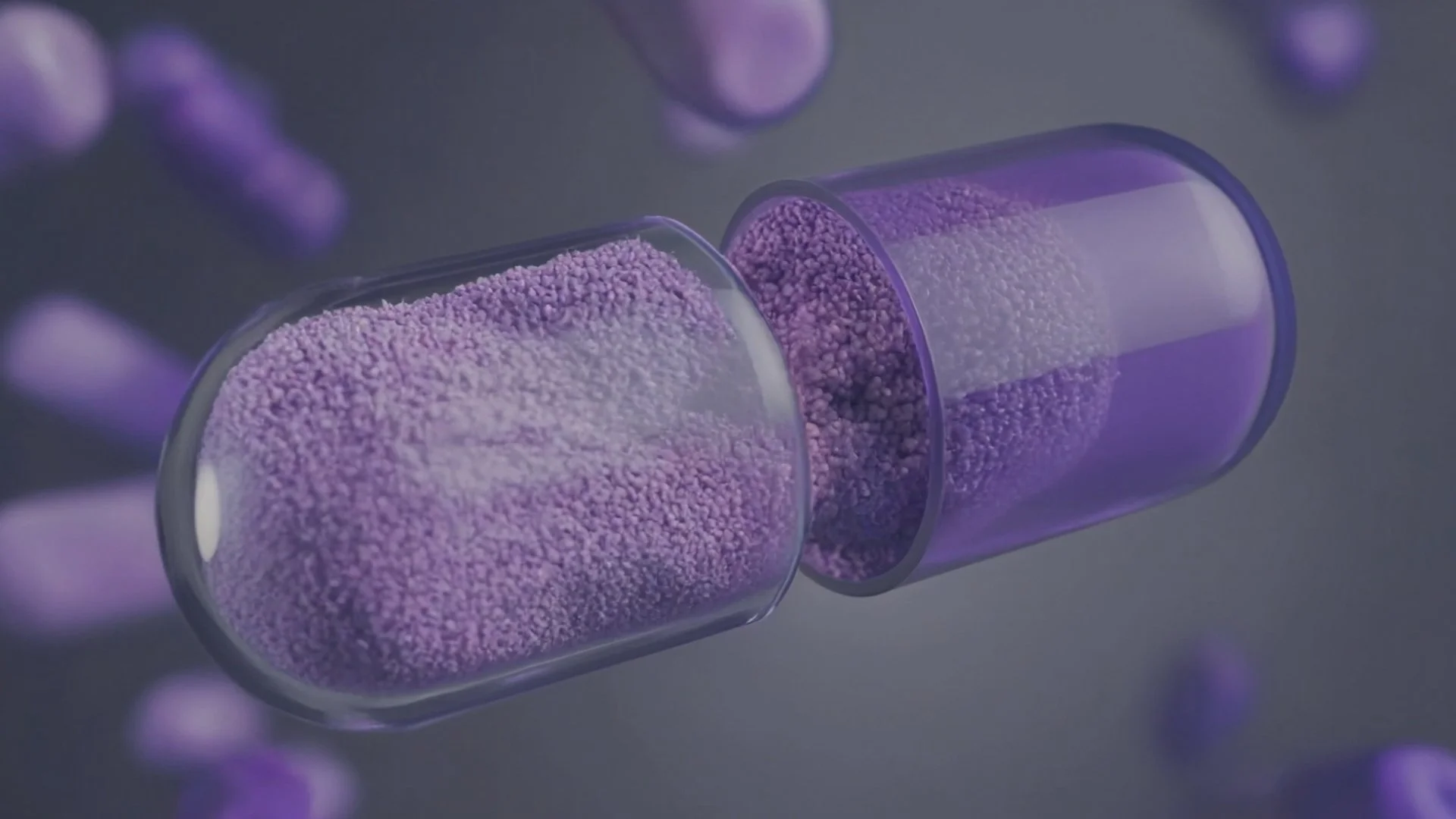
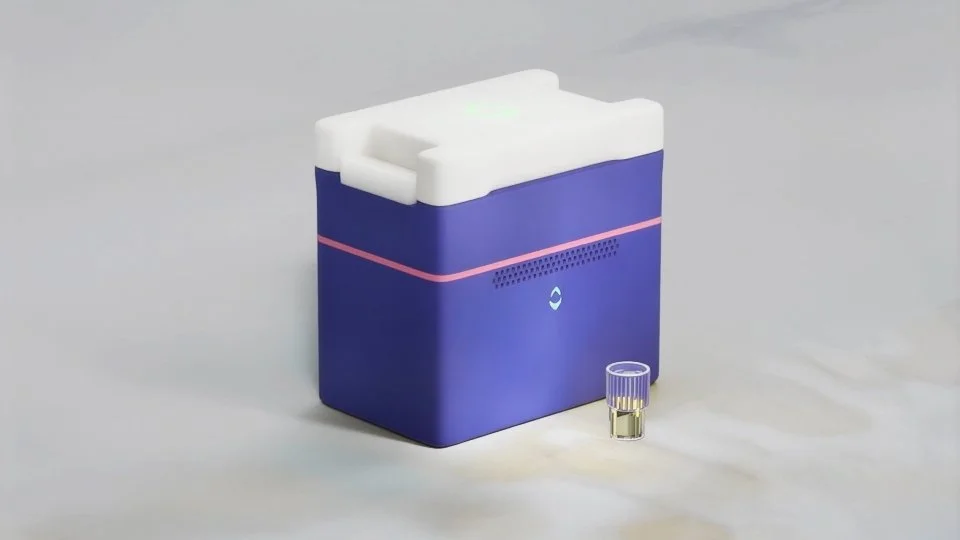
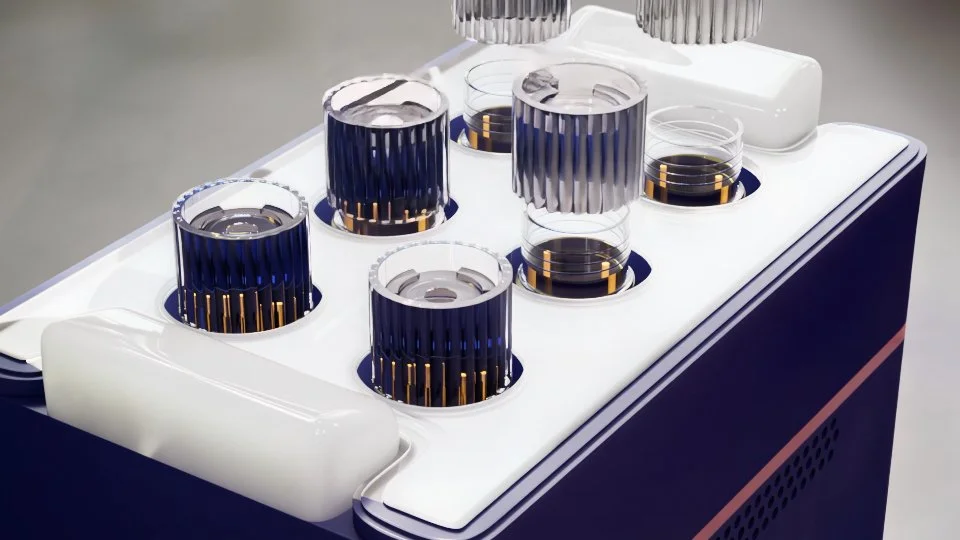
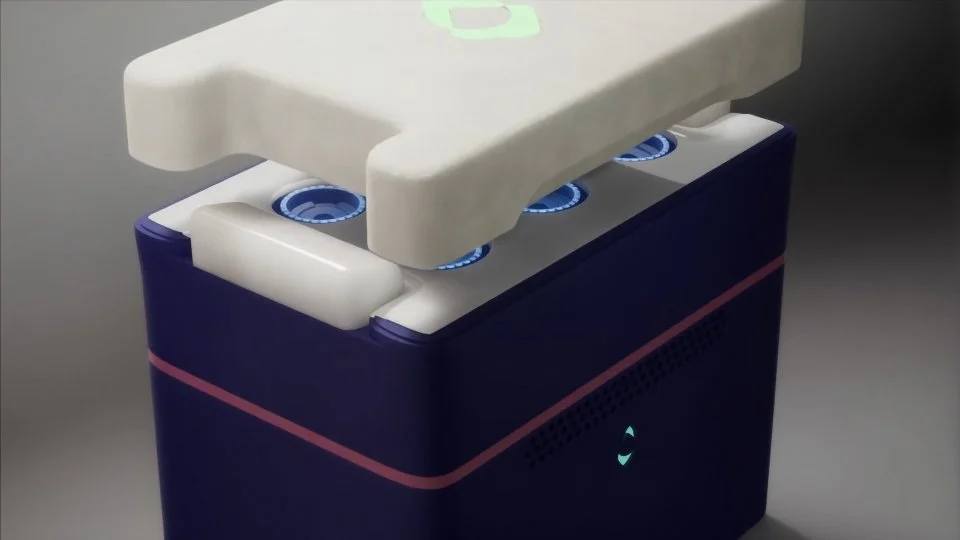
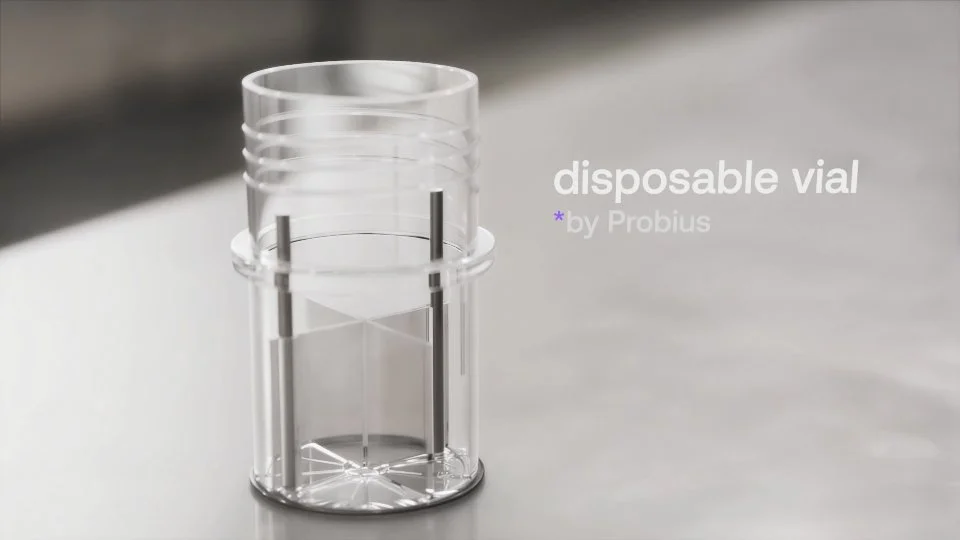
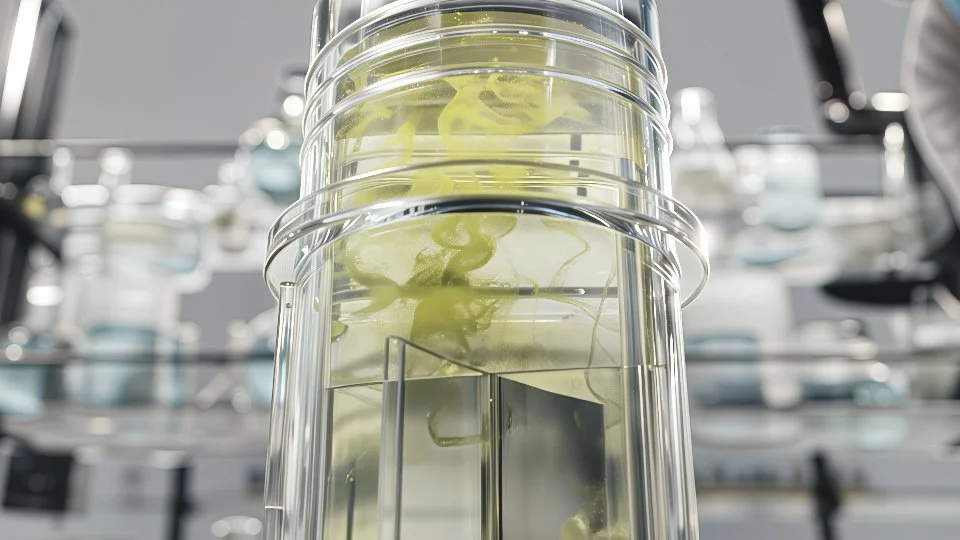
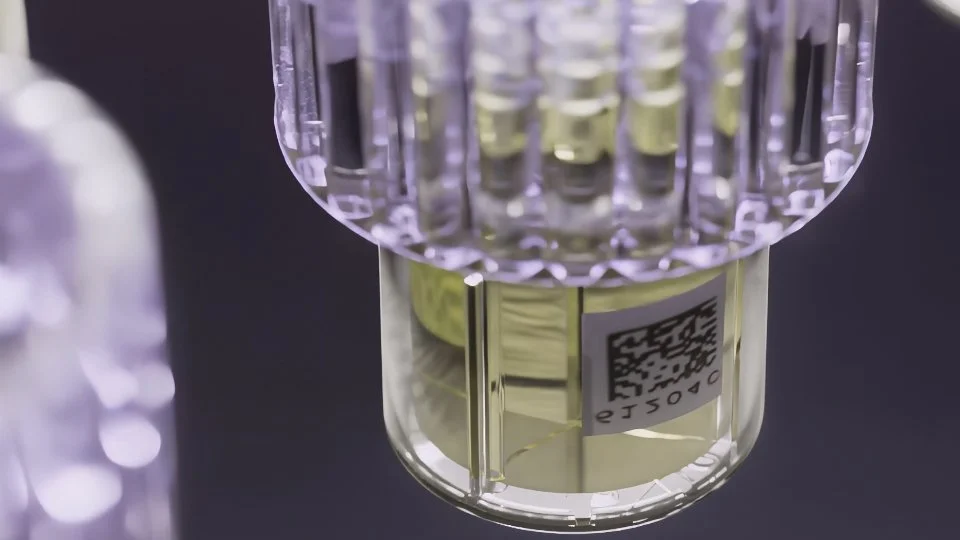
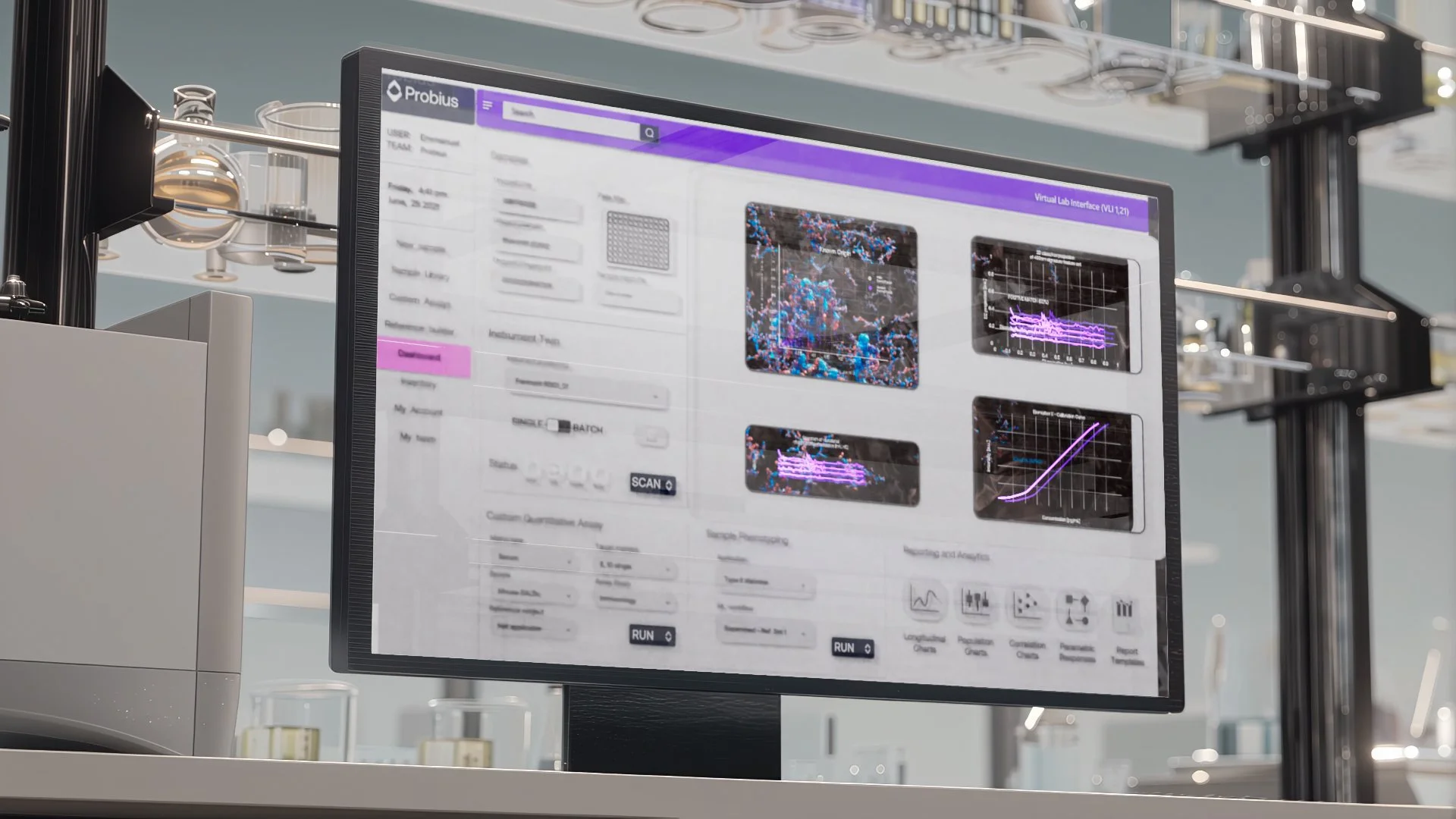
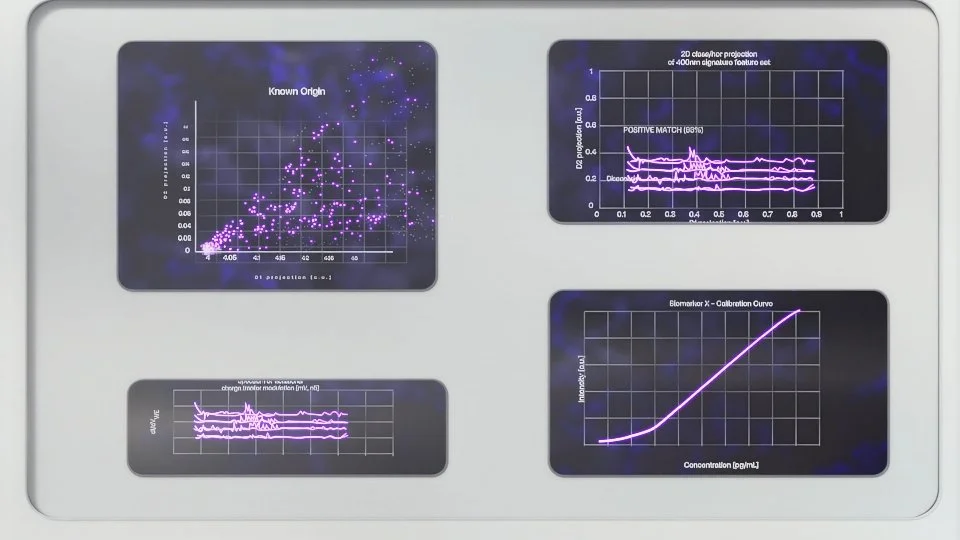
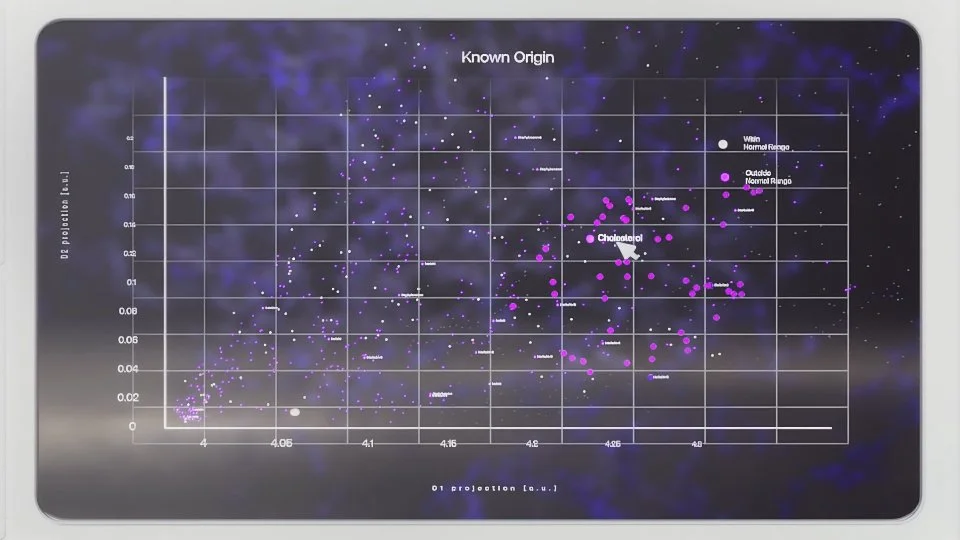
Probius is a product that drastically reduces the amount of equipment it takes to analyze biological samples. The core elements are their Vial, The Reader & their Cloud-Based UI.
design
challenges
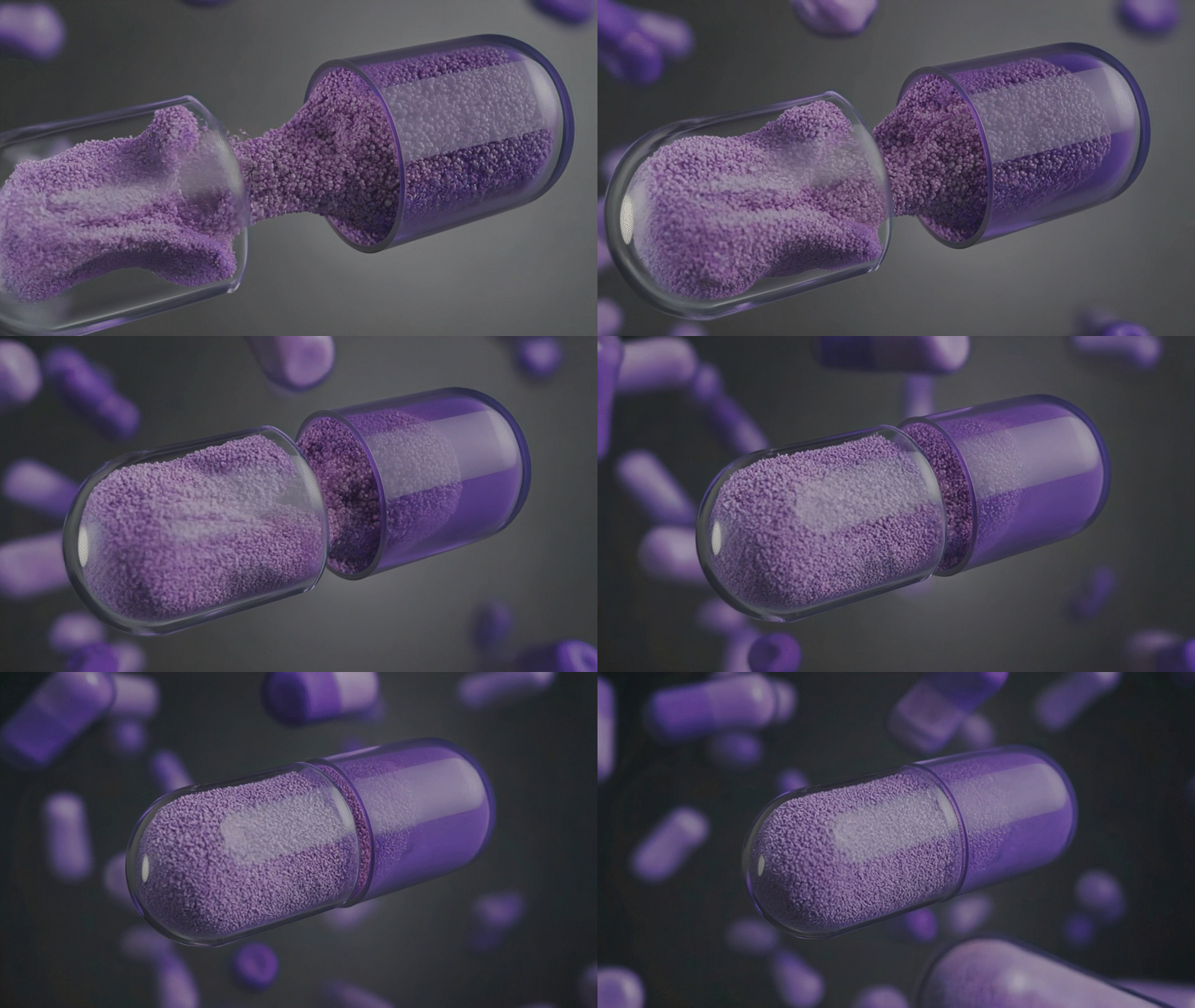
I medically accurate biology
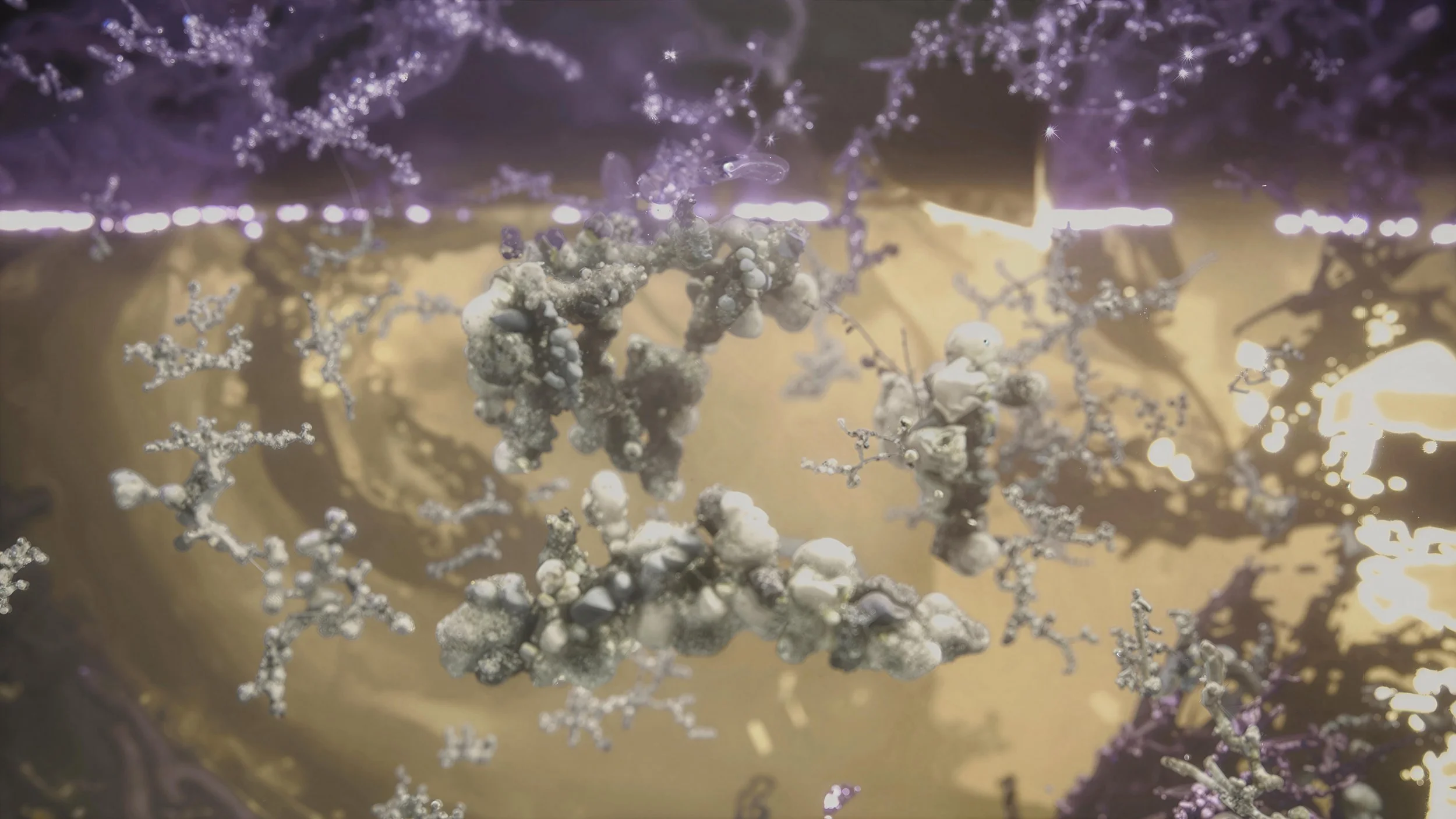
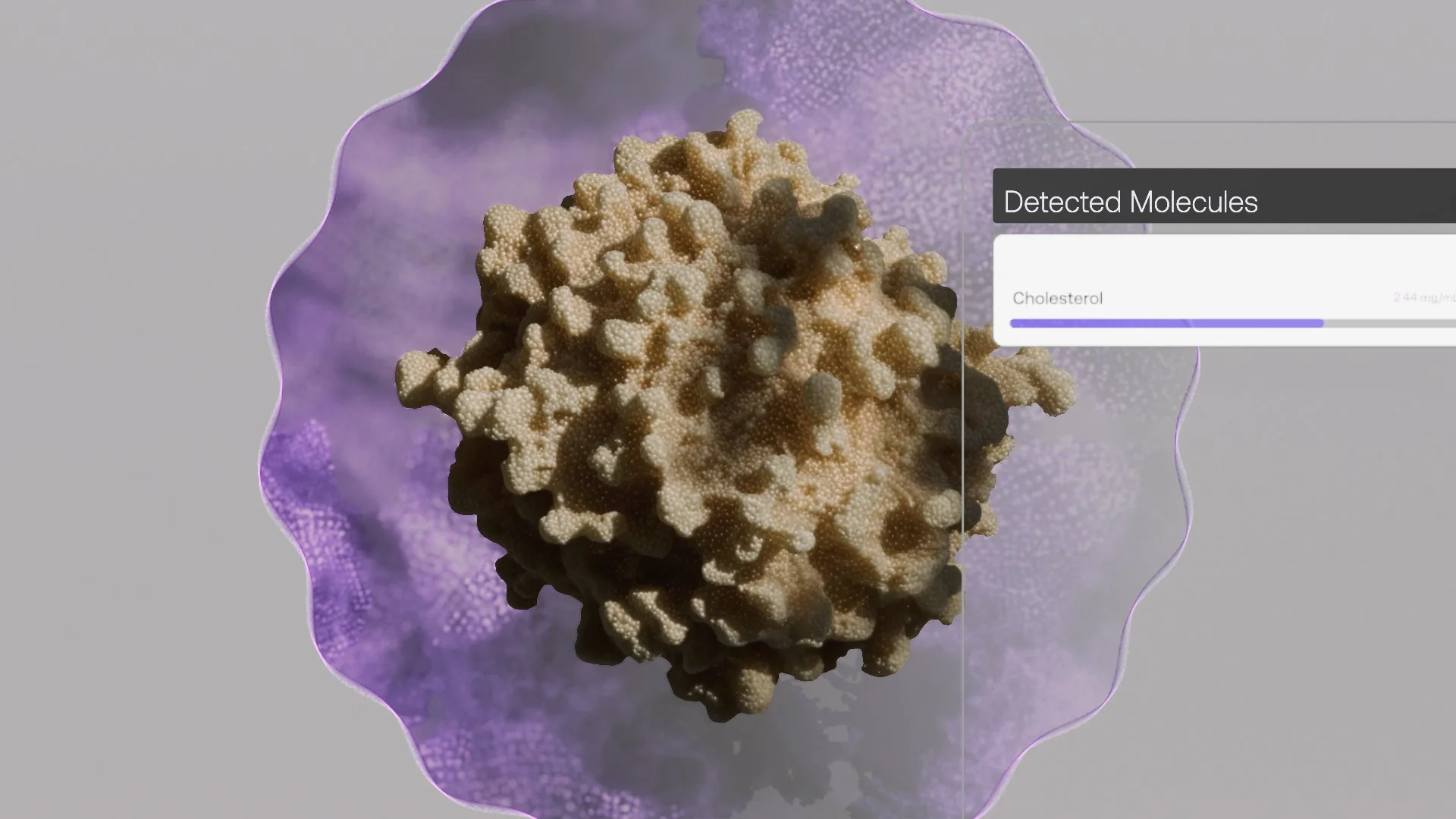
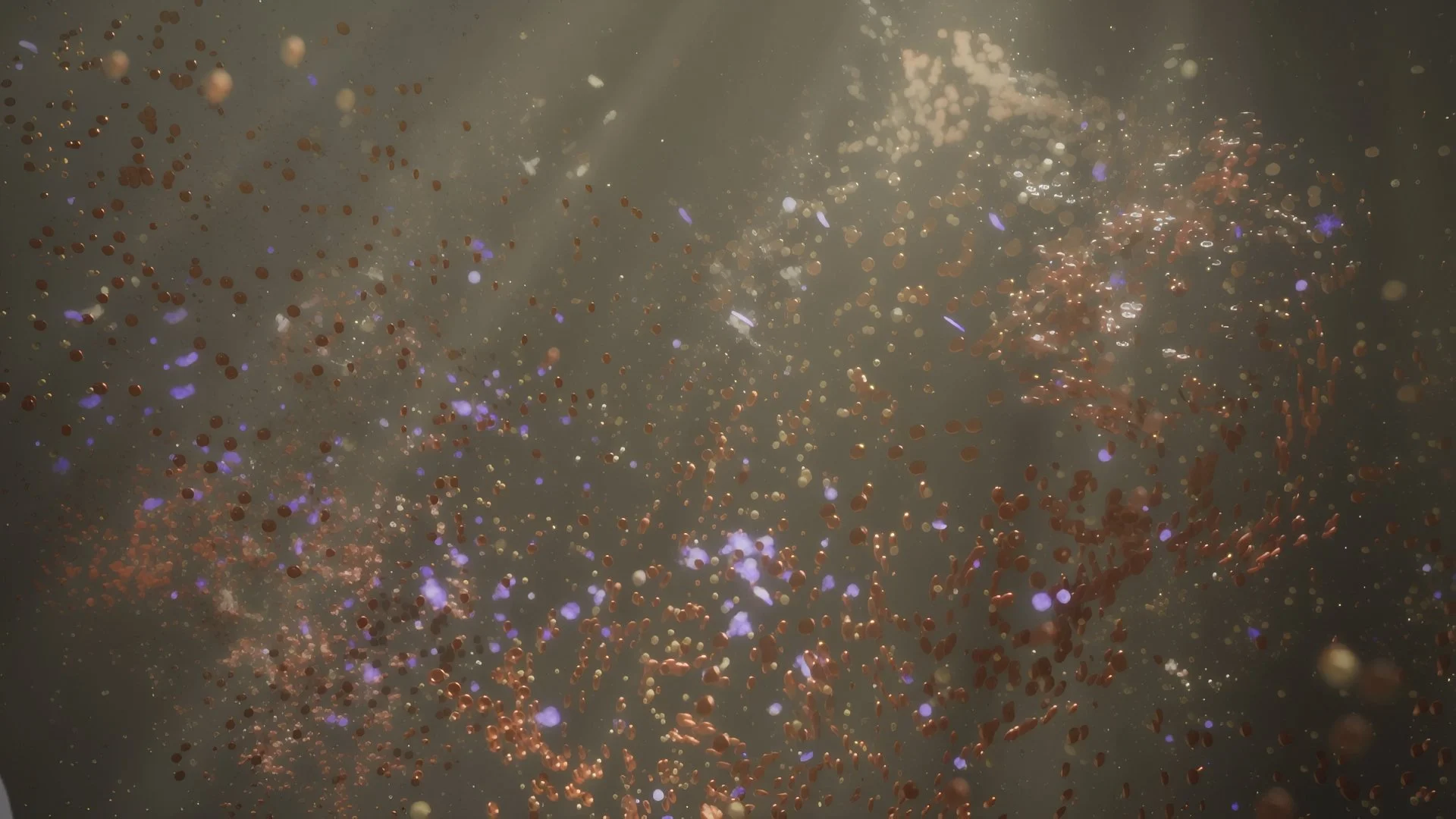
The world of the small is alien to most audiences. It requires electron microscopes to photograph, so reference is sparse. In collaboration with the team, we did in-depth research to blend accuracy with artistry. The biggest challenge was nailing the proper scale of each molecule in relation to each other. The Probius team was both patient and helpful with our many questions.
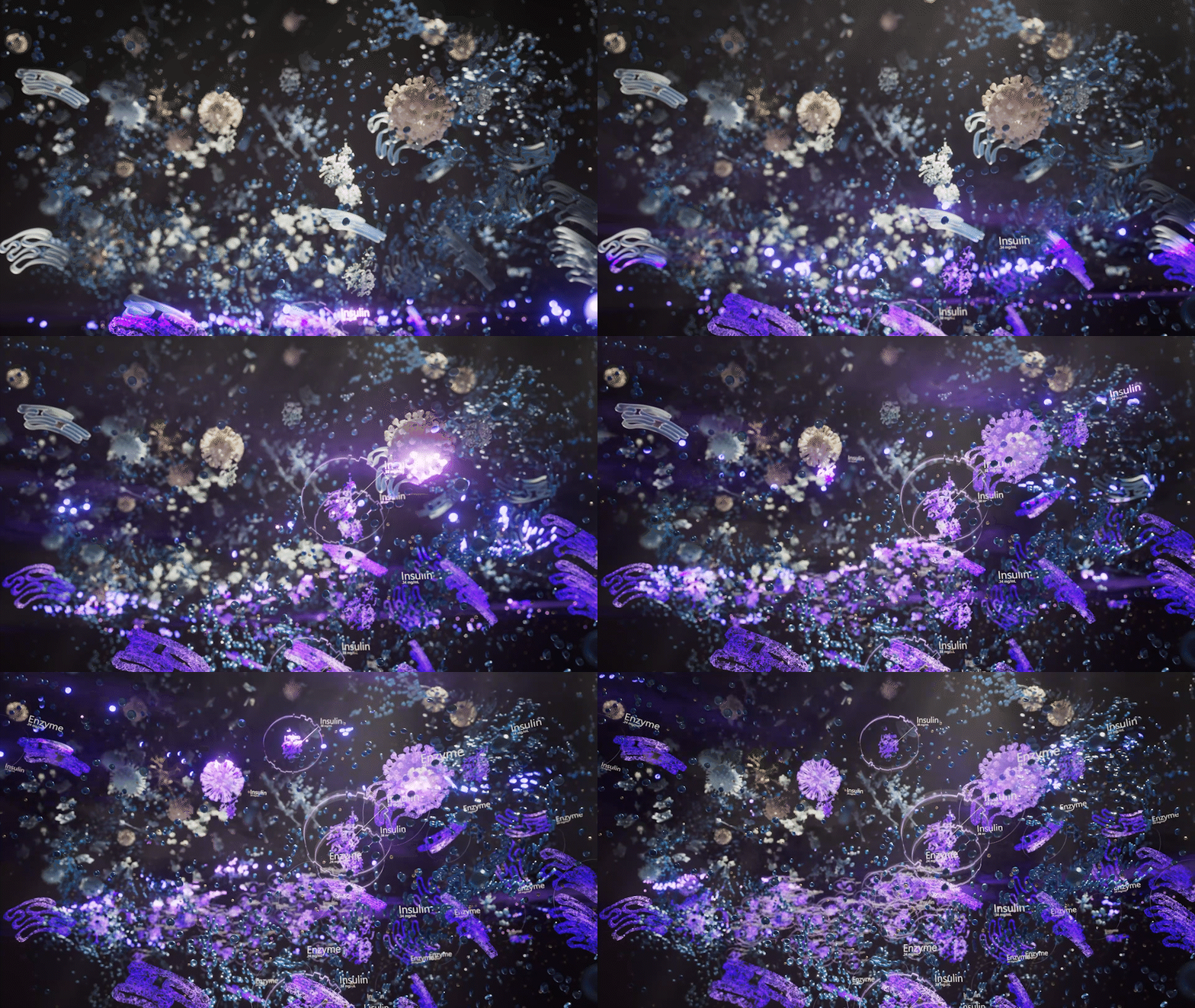
II 3X visual languages
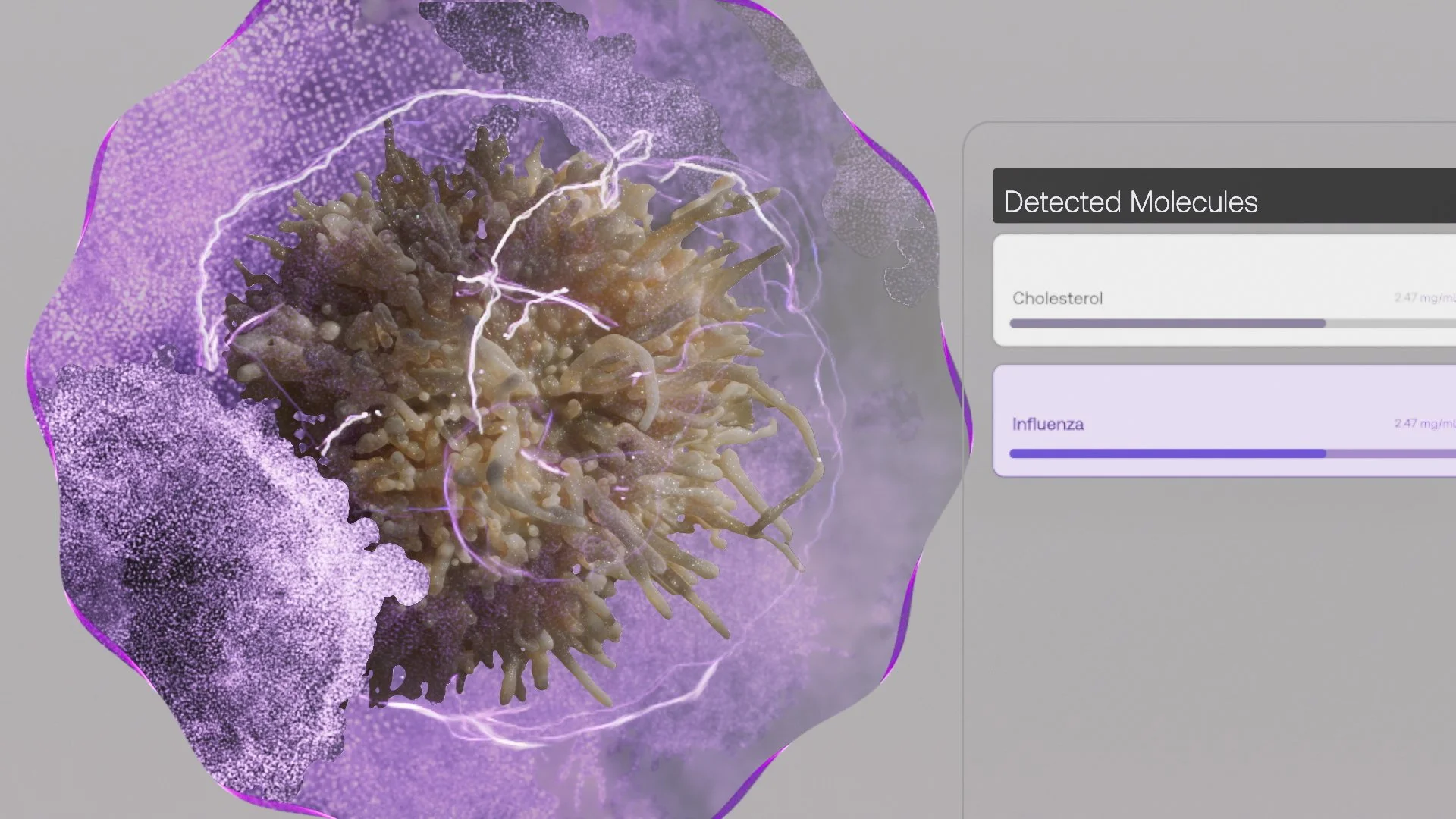
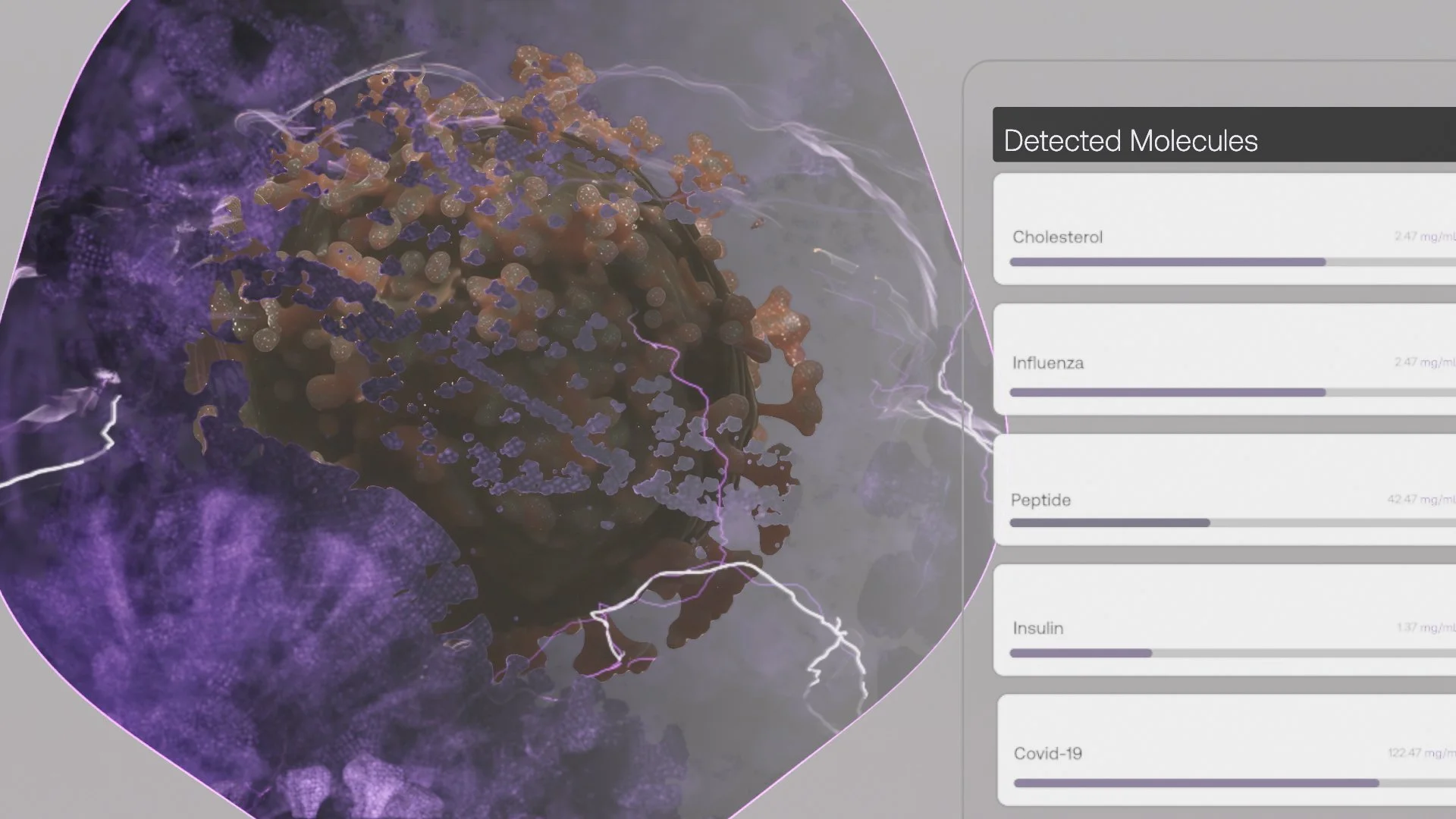
Probius turns physical biological into data using vibrations. These 3 core concepts required distinct visual identities - often in the same scene. Keeping these languages consistent across the different shots was as much a battle of render optimization as art direction. Keeping the visual story clear was key to communicating their complex technology in a digestible way.
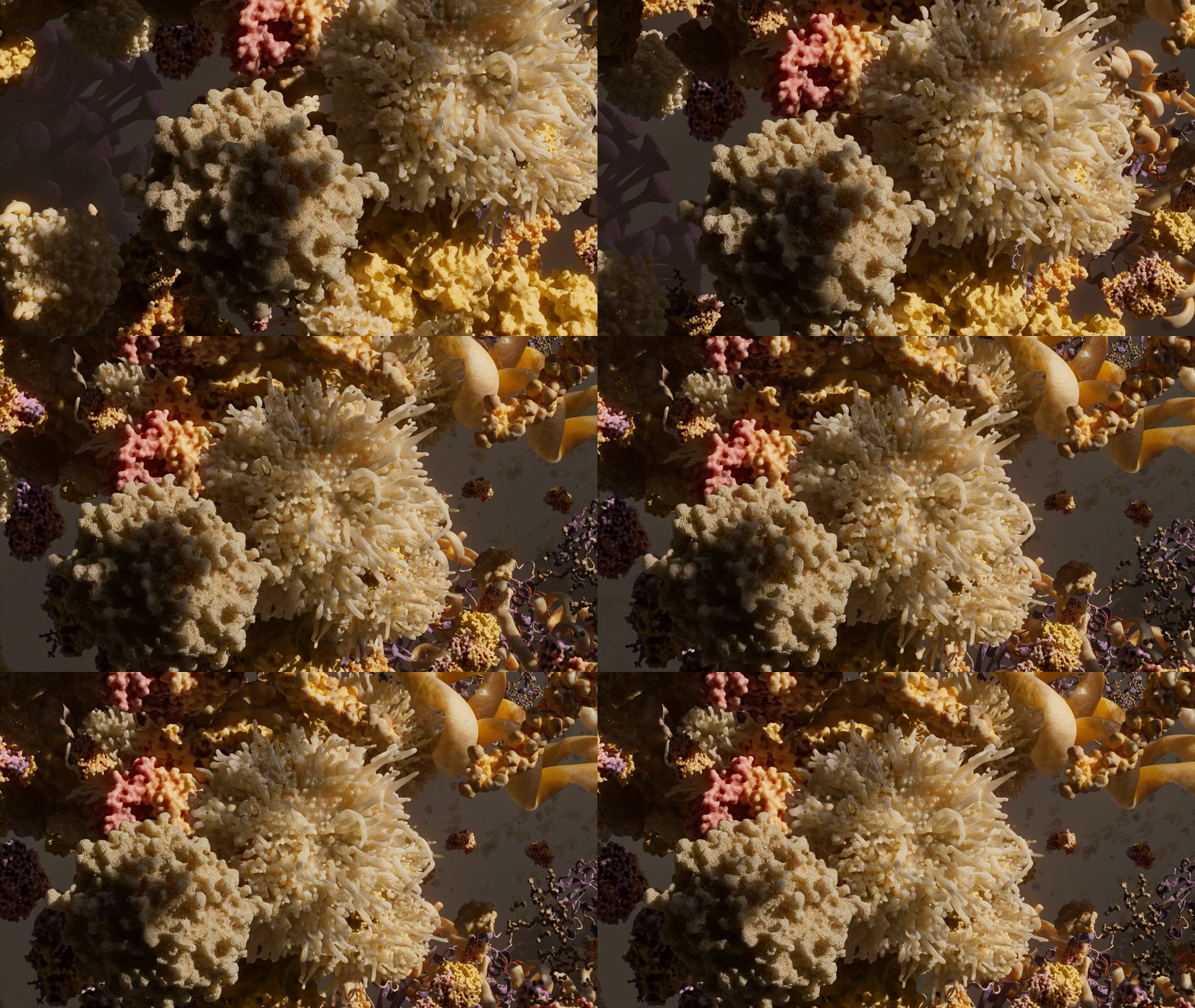
III the boundaries of ai
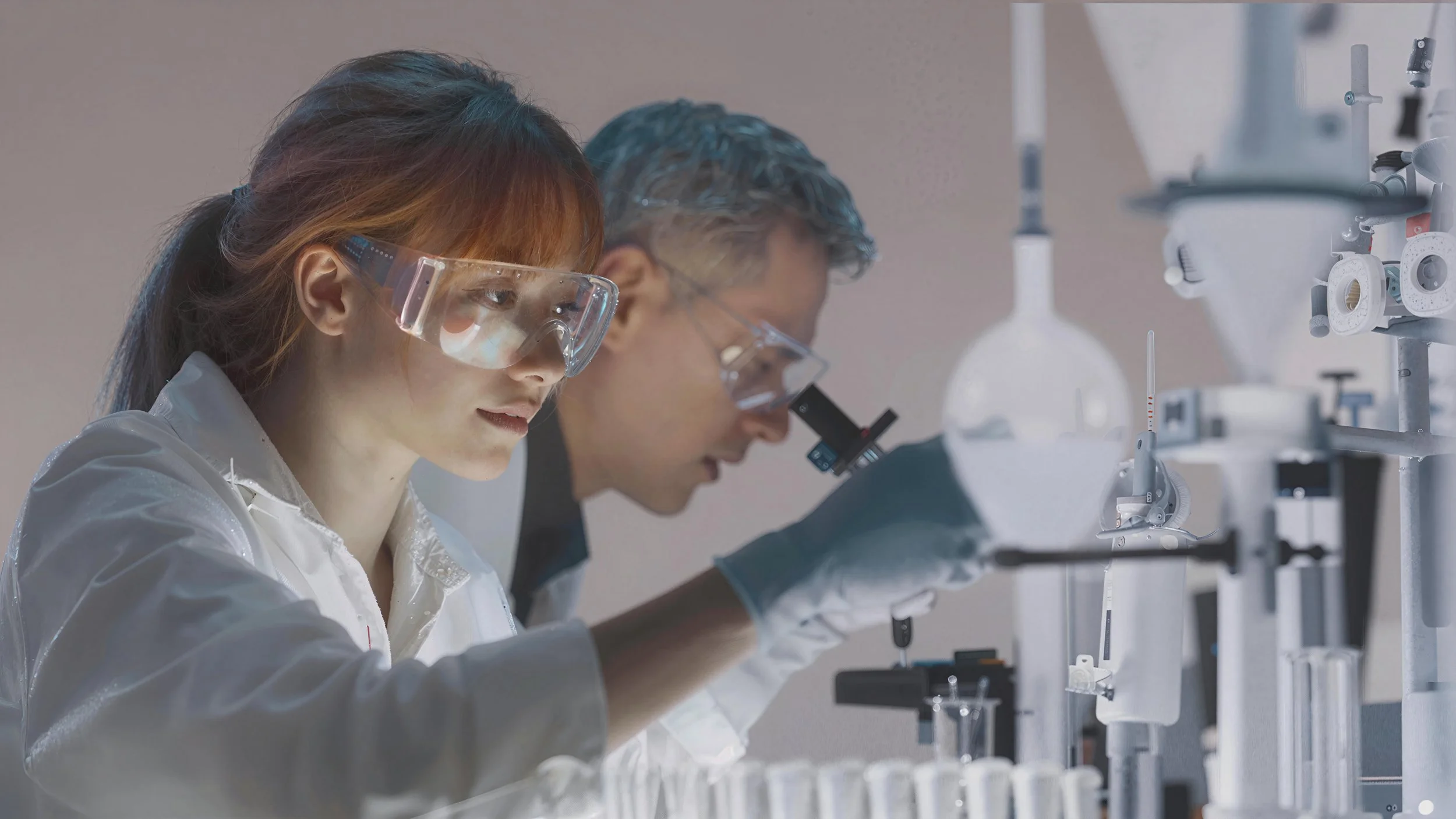
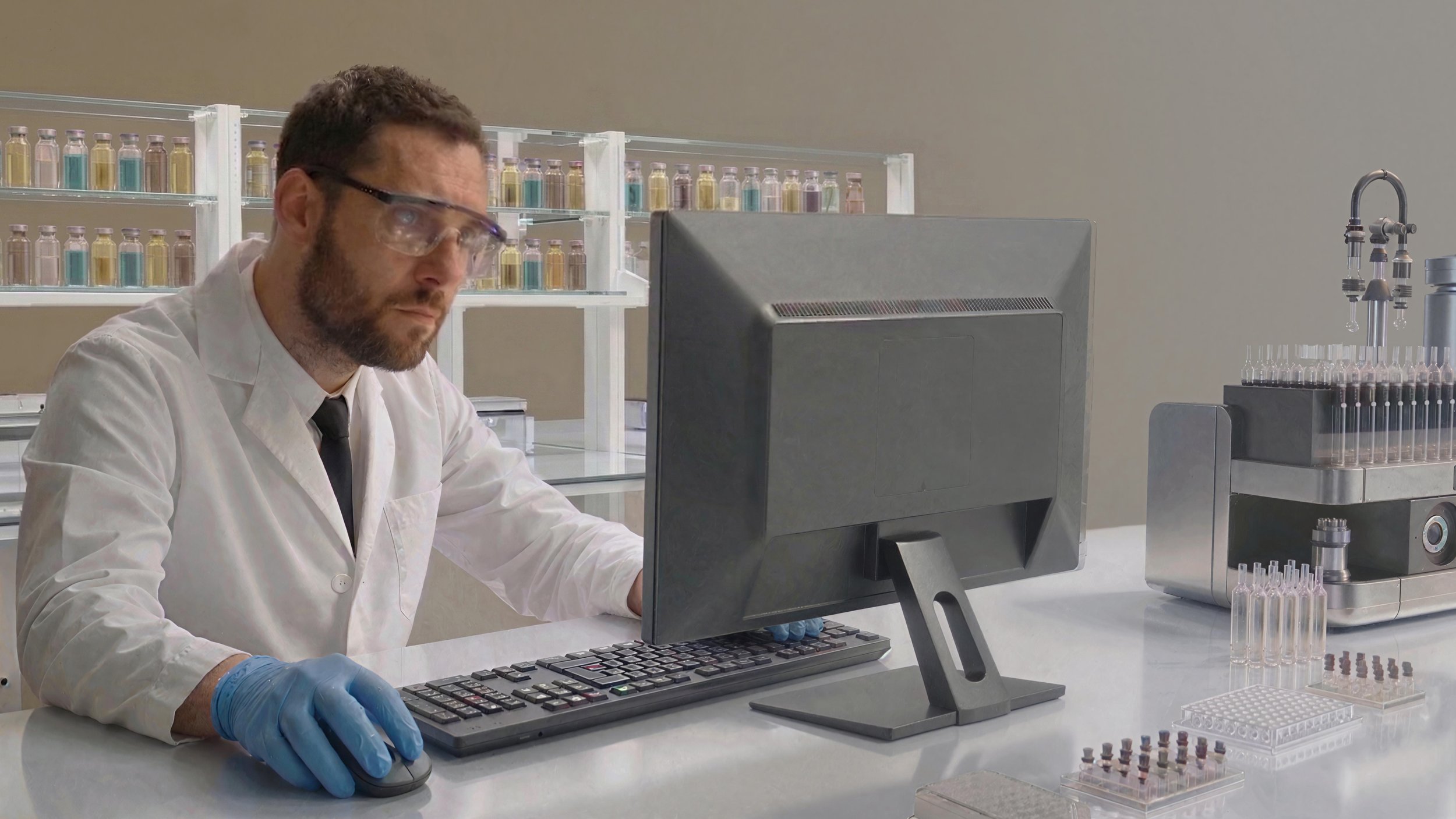
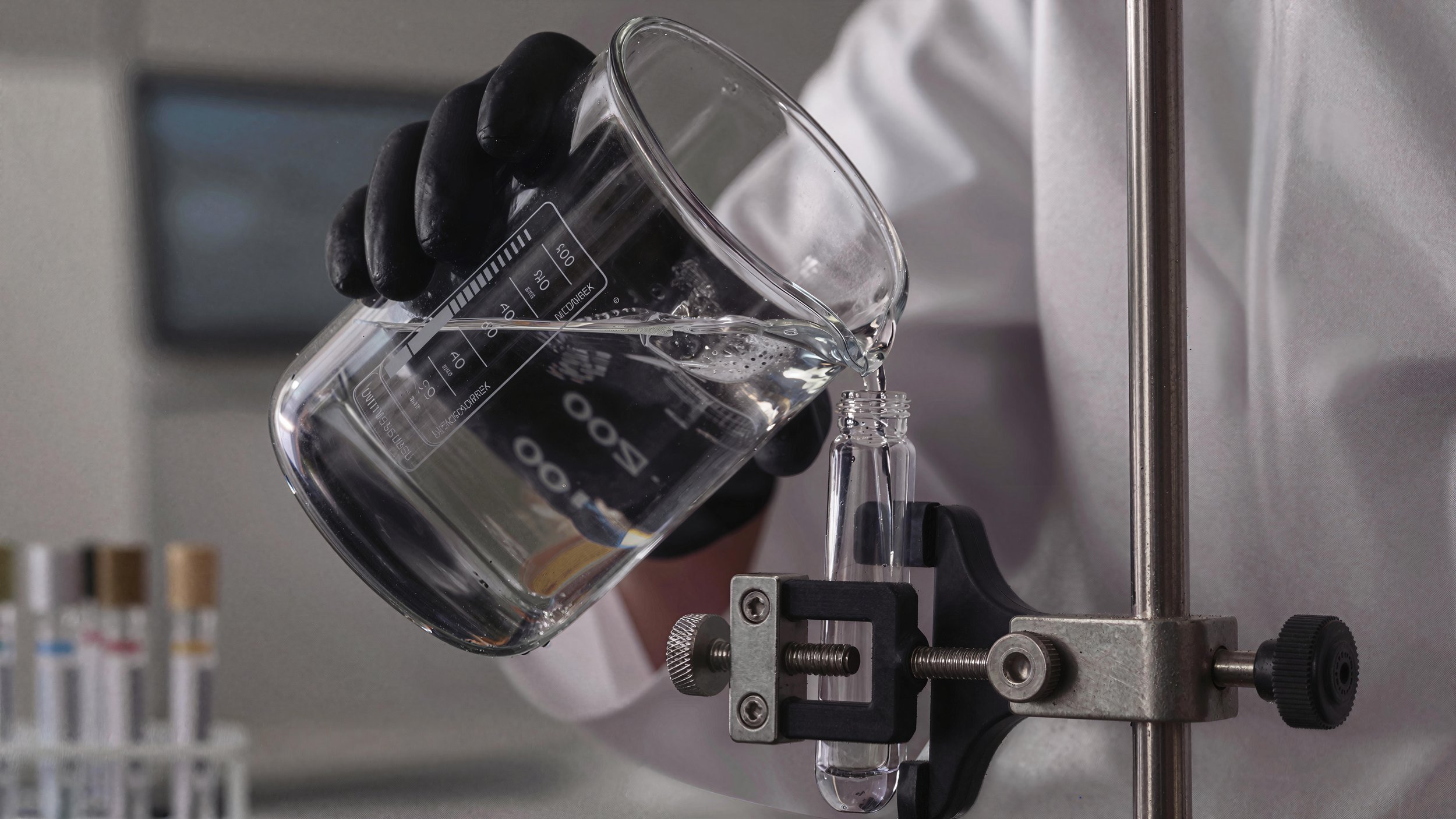
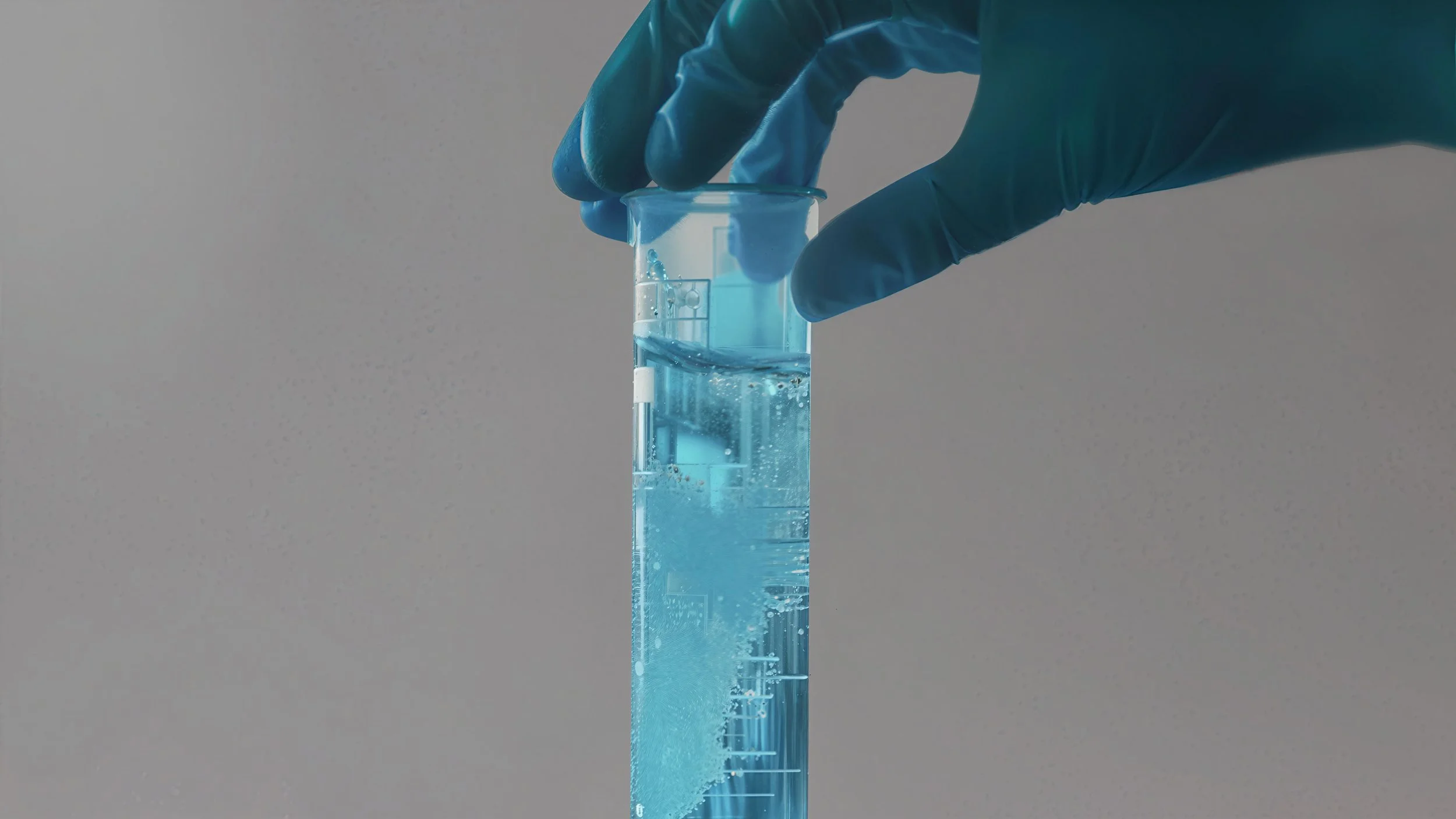
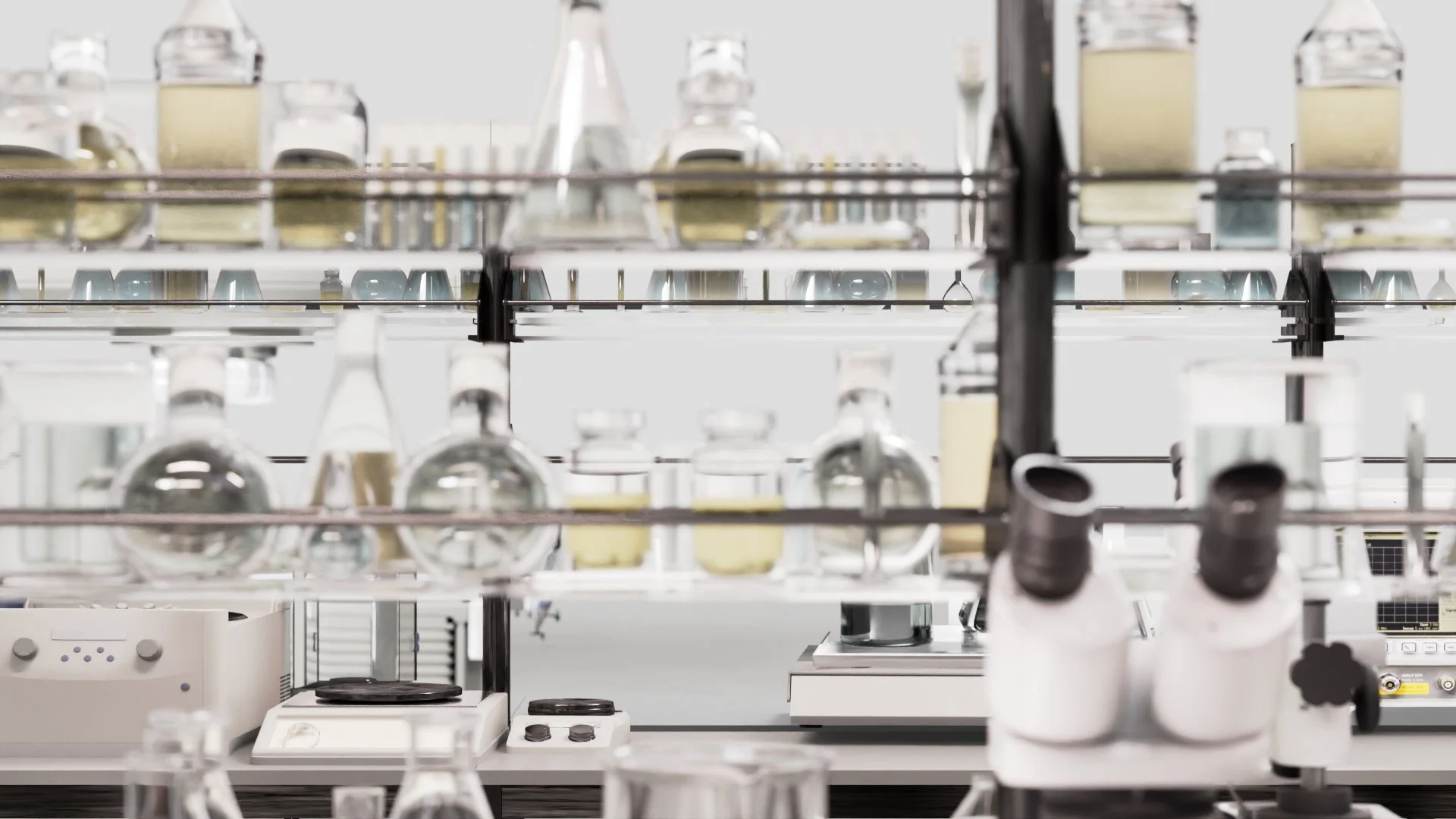
This project began as an AI-first case study designed to test my capabilities. The unique requirements of this project brought me face-to-face right up against AI’s strongest limitations. Proprietary products, text-based UIs. The micro-details of dense data transitioning between multiple design languages within the same camera movement. The limited exposure of AI training data to the microscopic world. These factors all made 3D more reliable for the vast majority of the piece. For the photorealistic sections of footage and up-rezing 3D shots - AI was invaluable.
This project required assembling so many parts. From photorealistic AI footage to product visualization and abstract scenes of biology. Creating the specific mechanisms to turn the concepts into visuals felt more like a branding project than a simple video.