
mtrc
the wearble
for weights
the
client
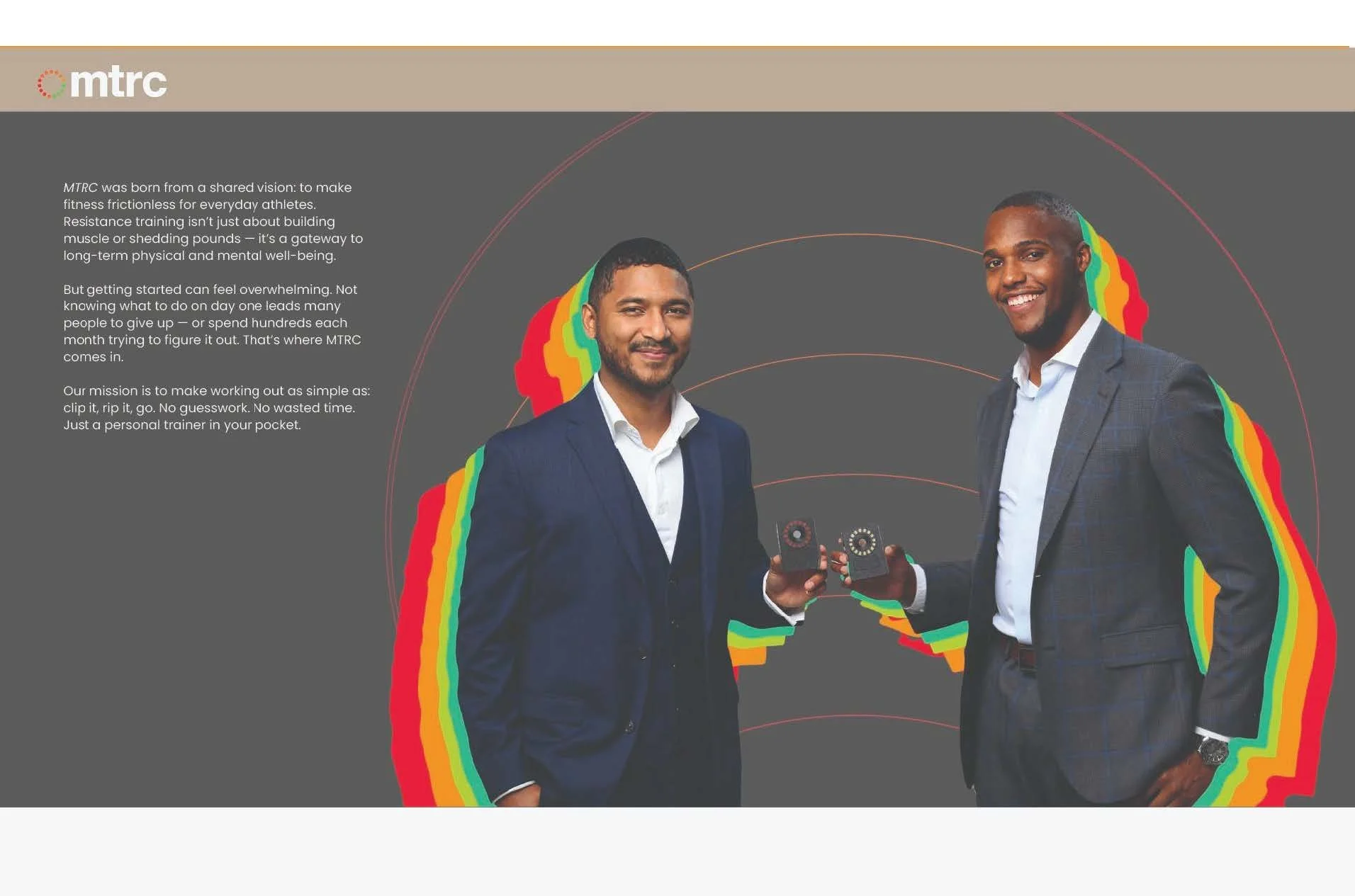
mtrc is a fitness startup rethinking how resistance training should feel: simpler, smarter, and far less intimidating. By pairing a clip-on tracking device with an app that learns your strength profile, tracks each rep, and tailors workouts to your goals, they’re turning scattered gym sessions into something much more guided and consistent. What makes the company interesting is the philosophy underneath the product — this isn’t about vanity metrics or hardcore gym culture, it’s about removing friction so more people can actually follow through, make progress, and feel confident walking into any workout.
simplified message
mtrc is the only wearable for strength training.
product
visualization
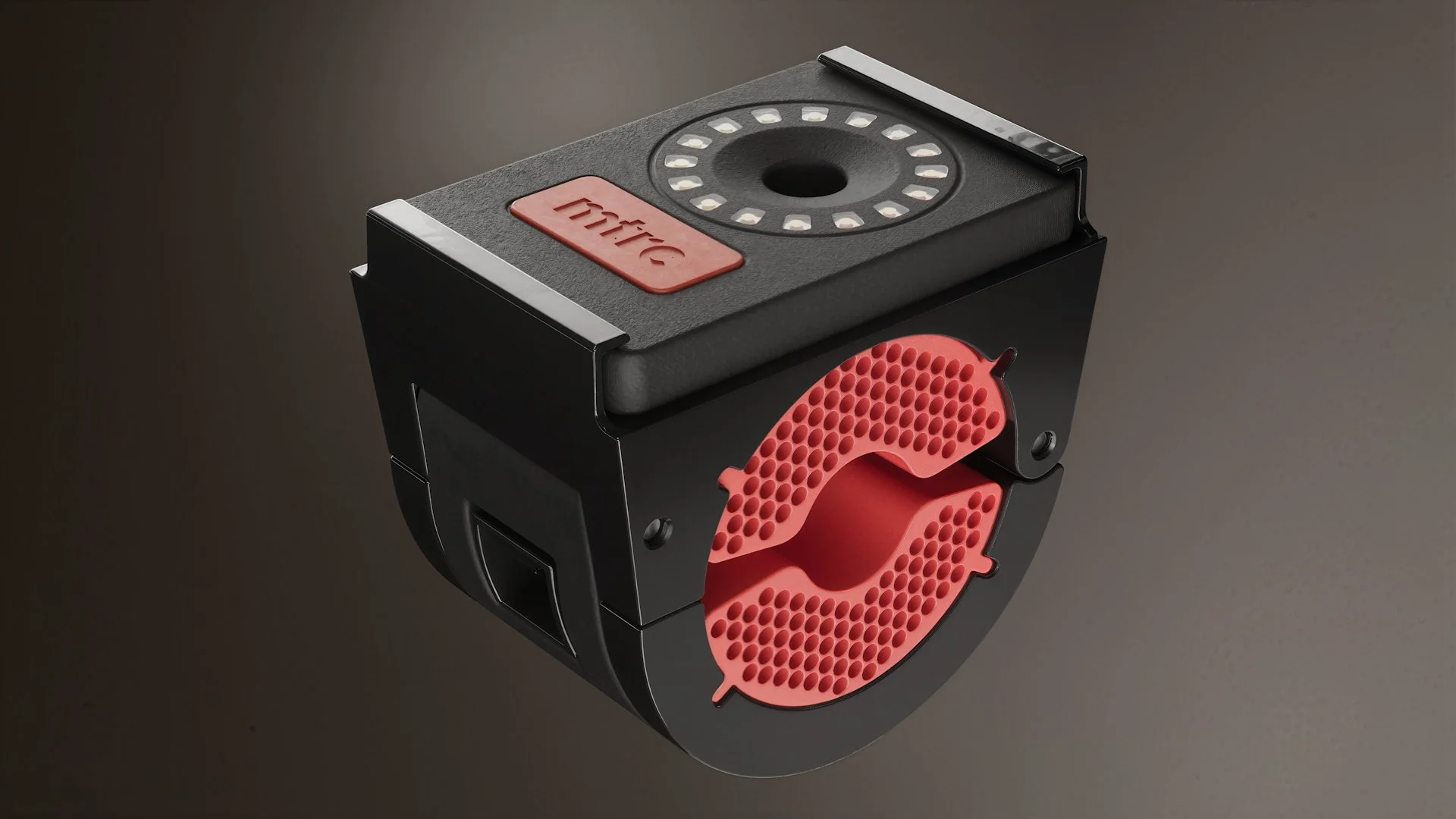
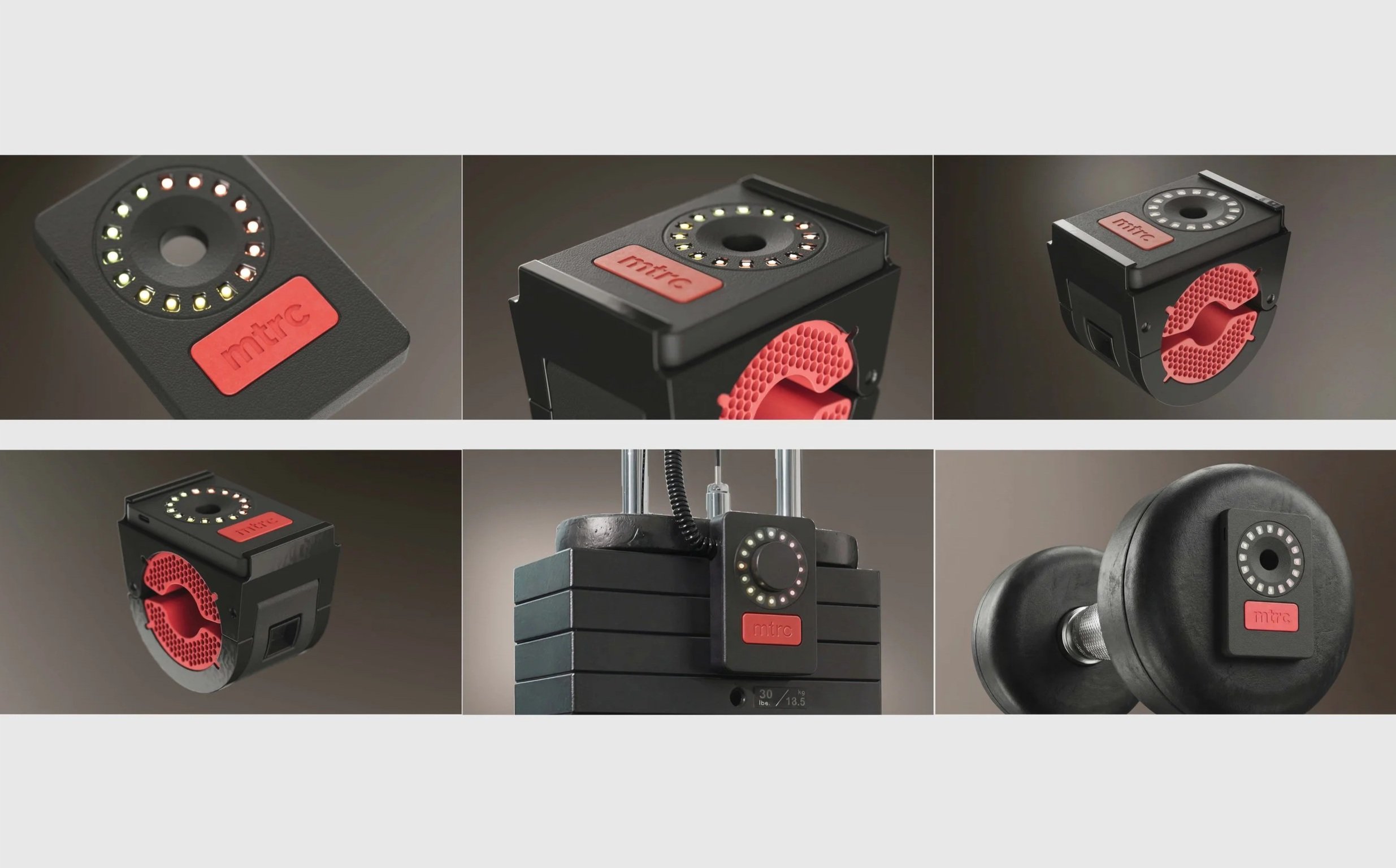
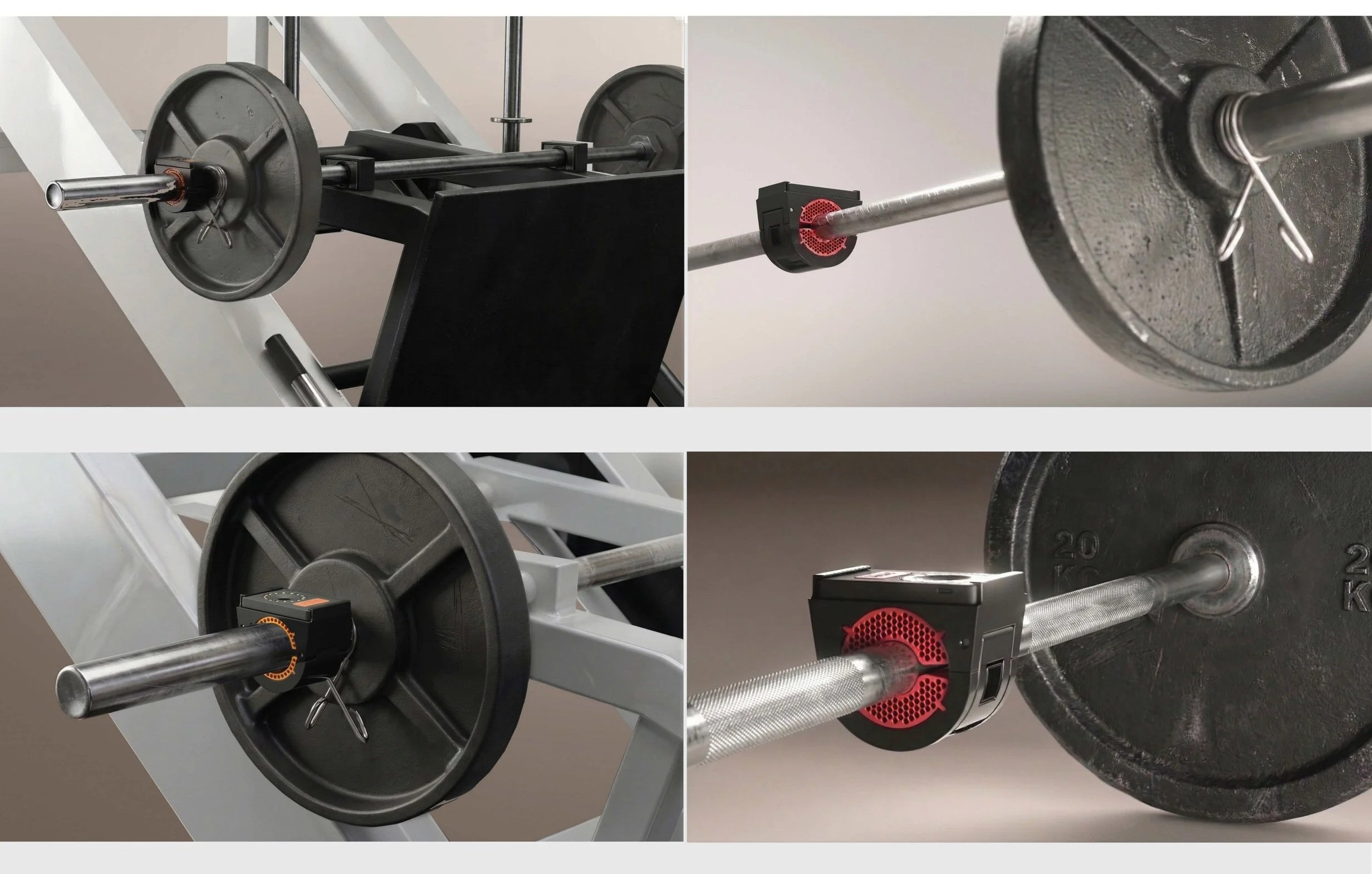
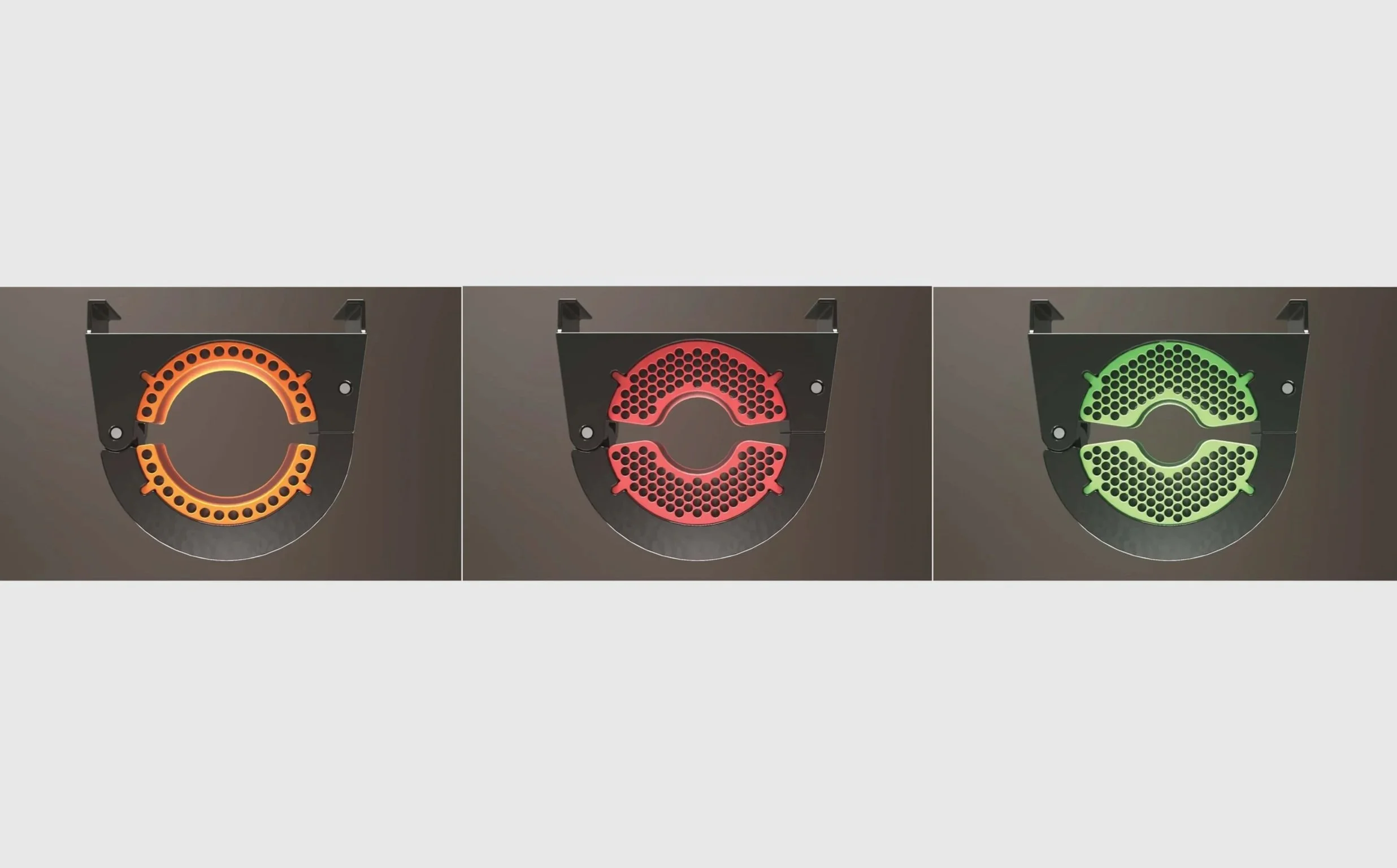
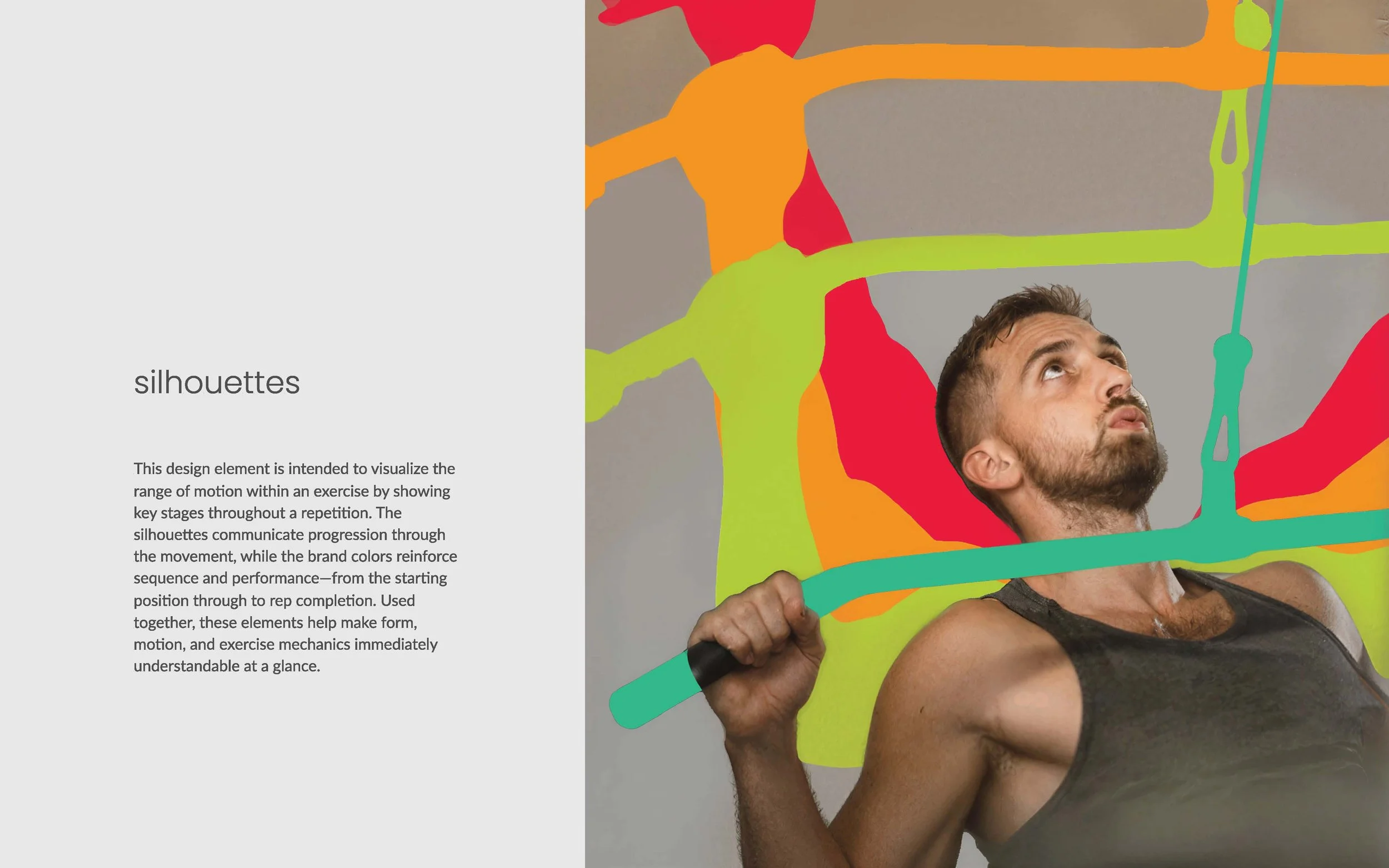
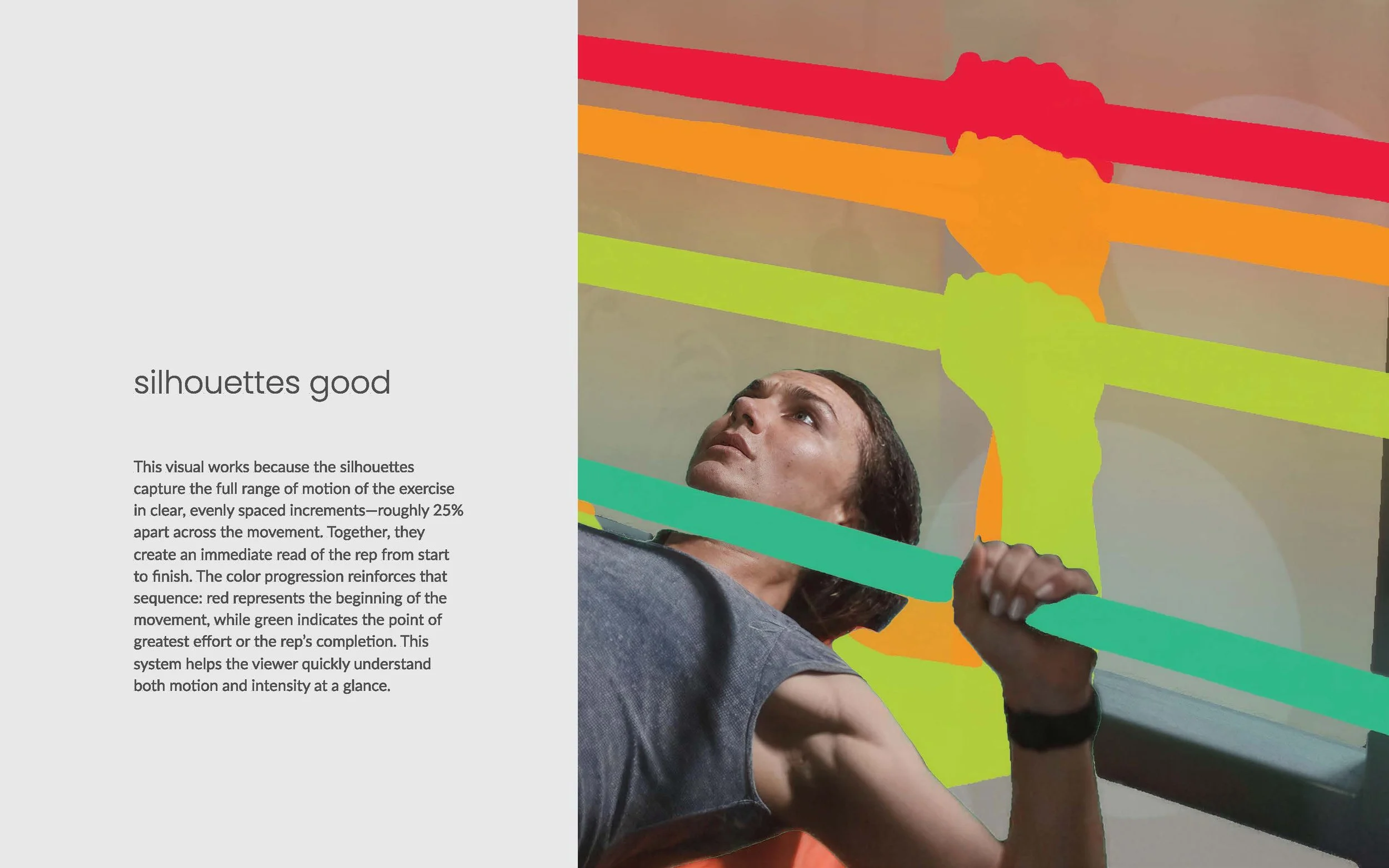
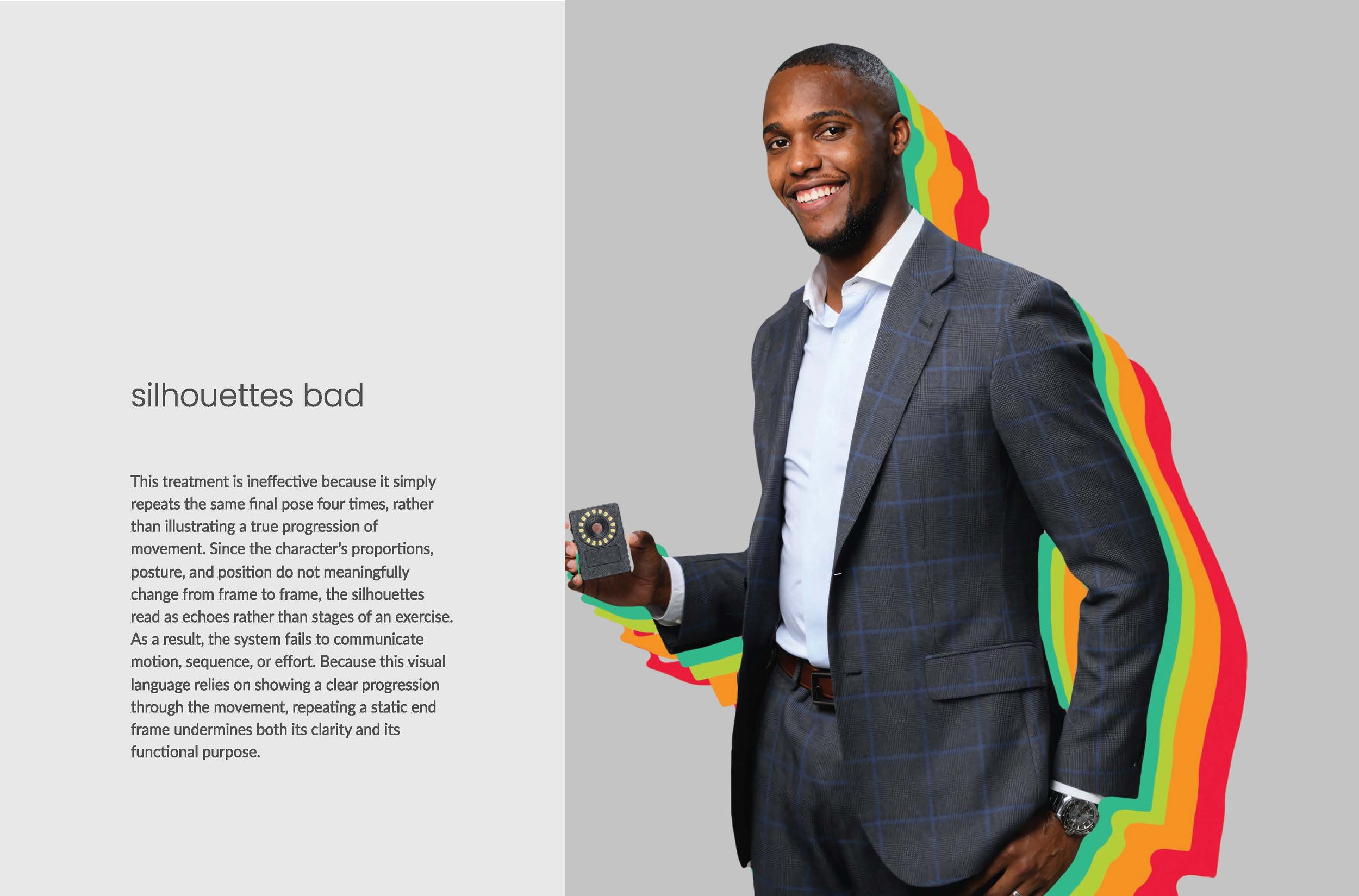
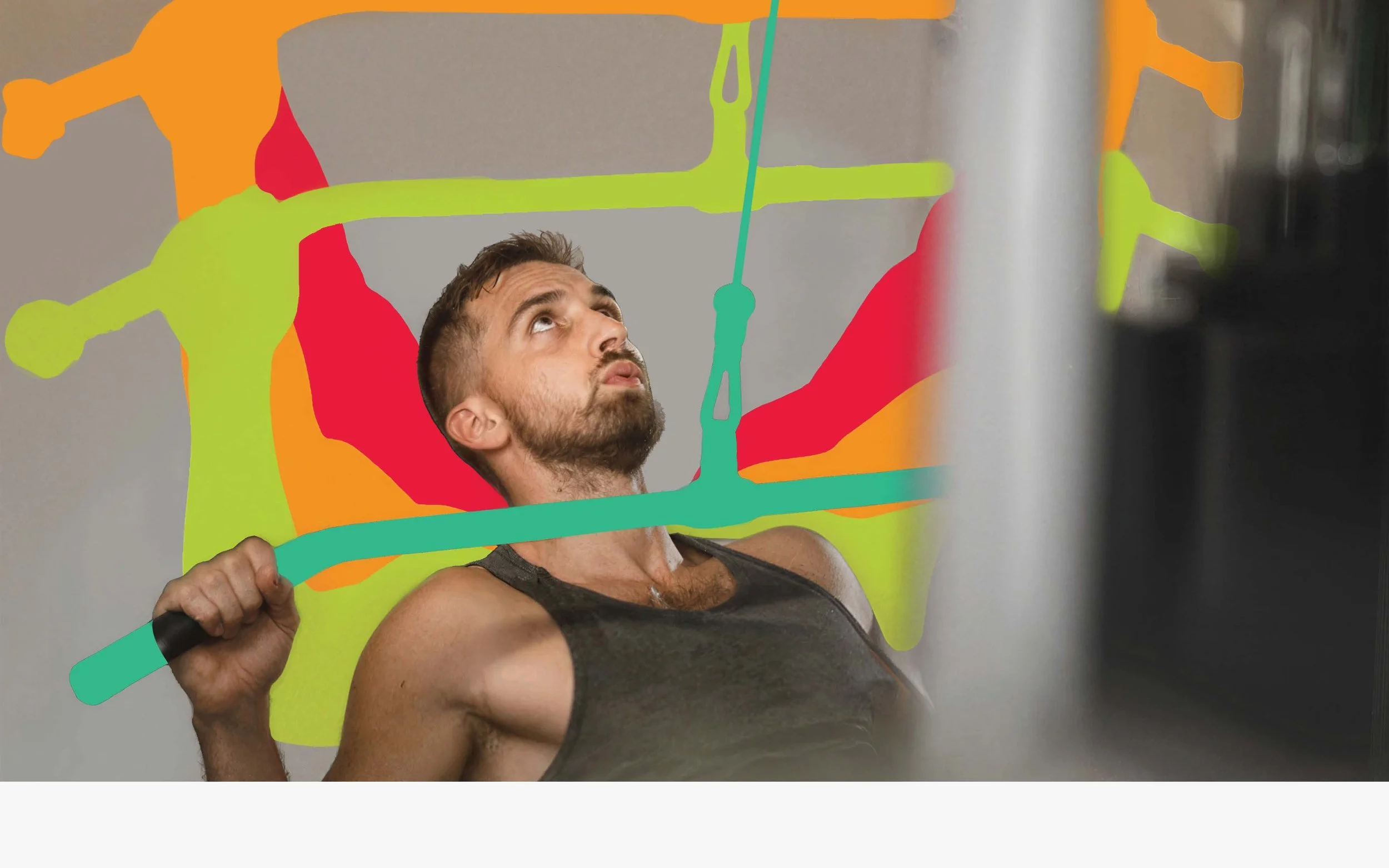
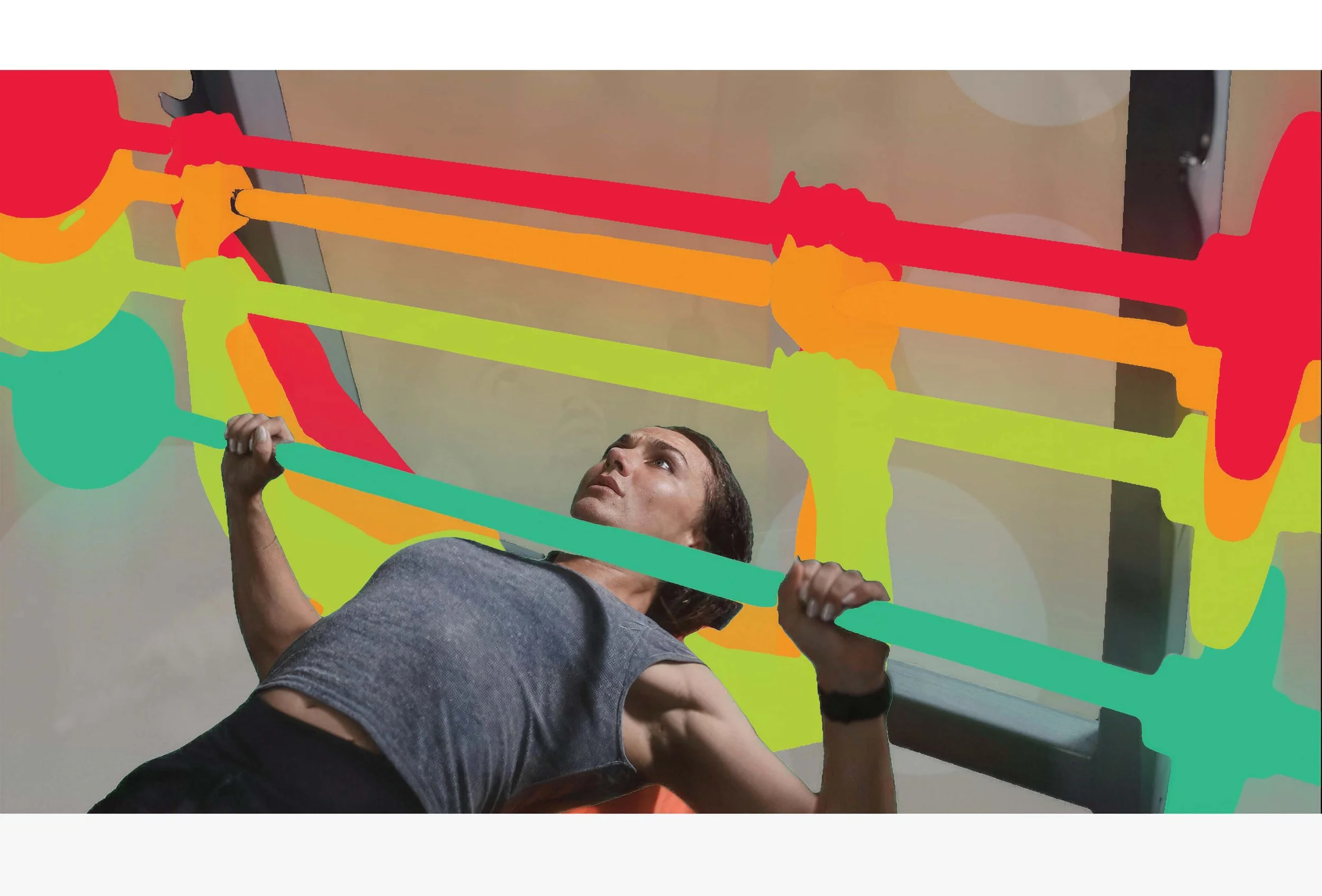
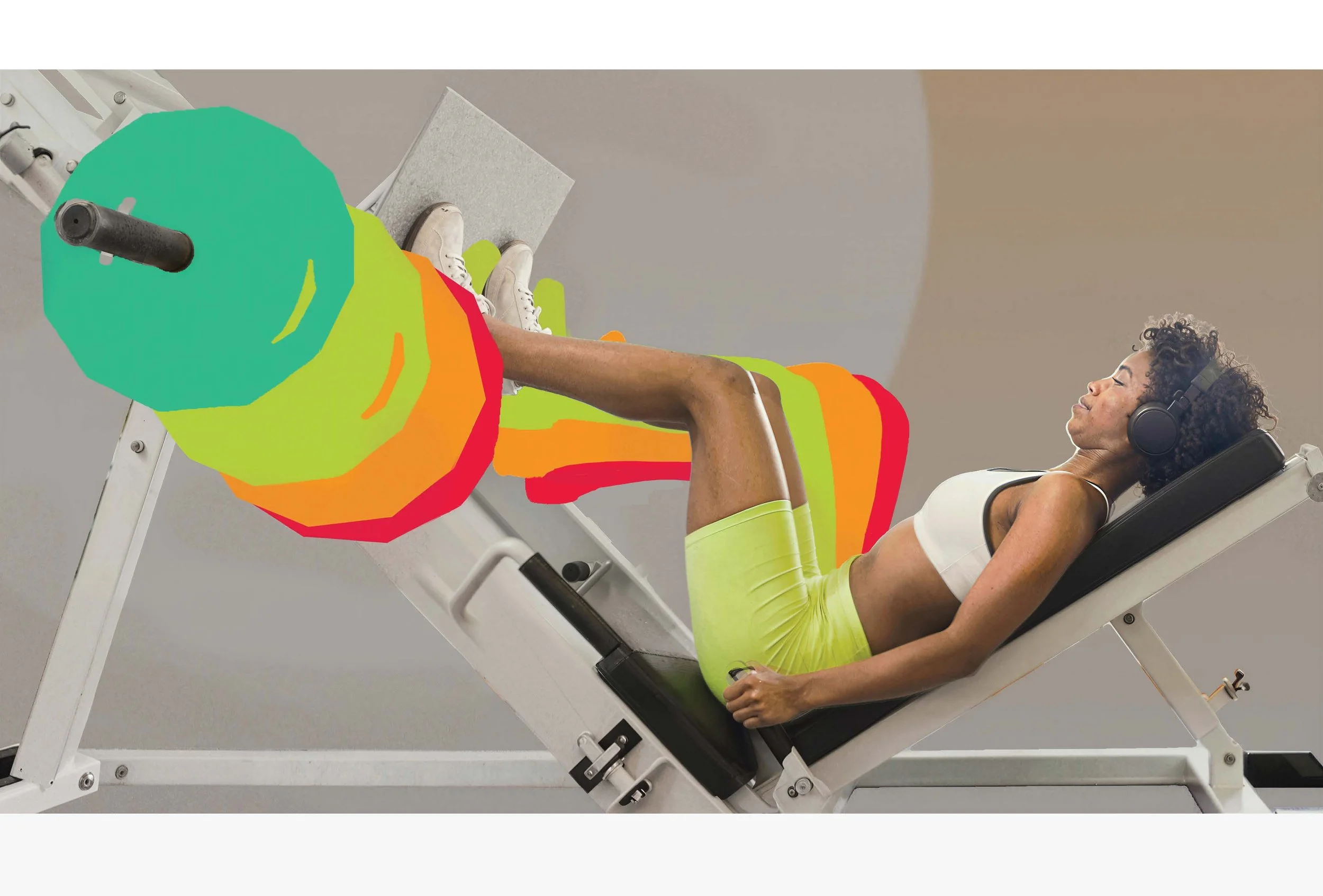
mtrc promises feedback on every type of weight training you can do at the gym. The main challenge with this commission was showcasing all of the permutations and use cases necessary to fulfill this promise.
design
challenges
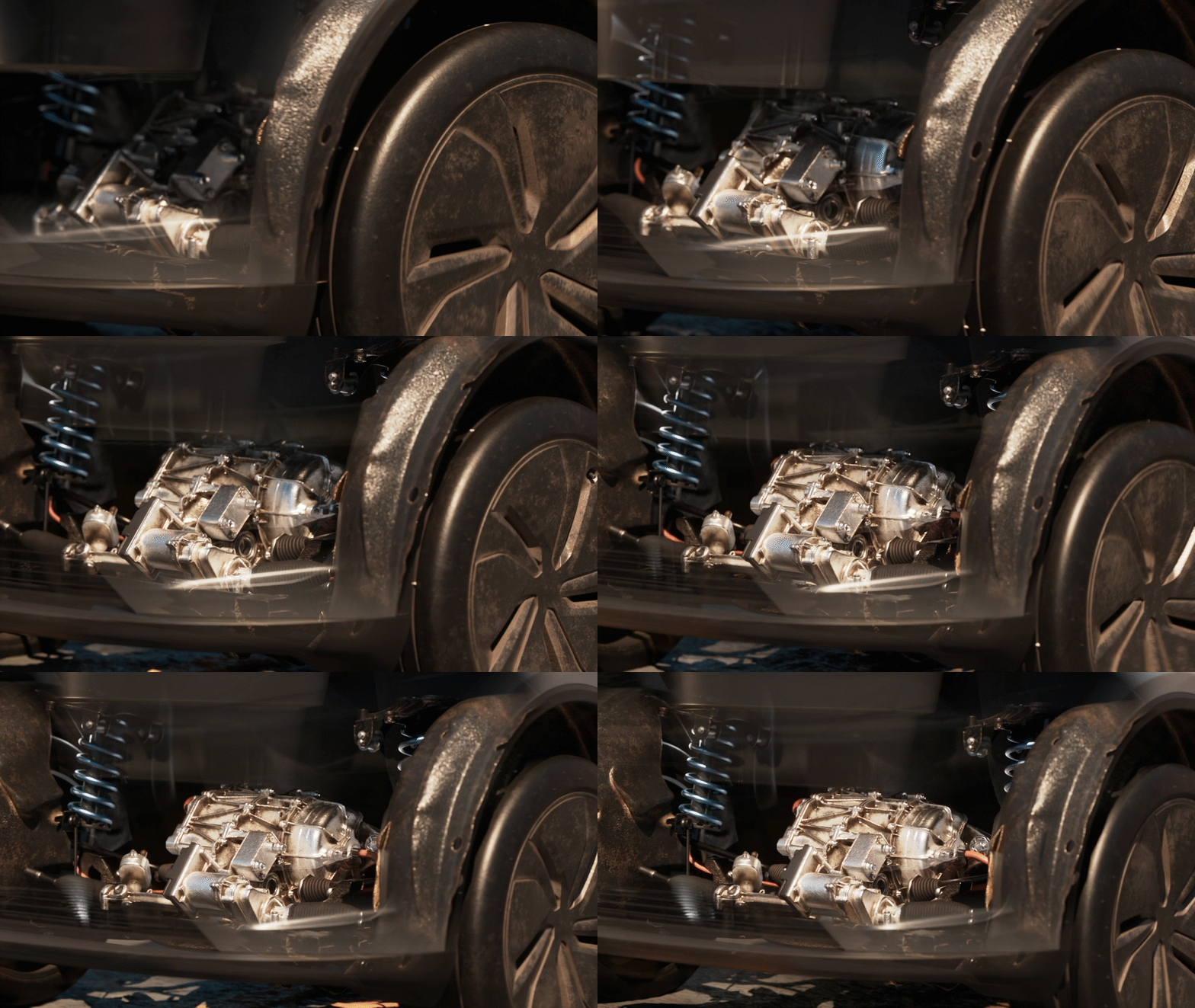
I bridging multiple use cases
The term gravity energy storage tends to make people lean in. Our job was to demystify what that actually entails. Through many conversations with Terrament, we began to distill the simplest version of the concept, giving audiences the big picture while leaving room for follow-up questions with follow-up conversations.
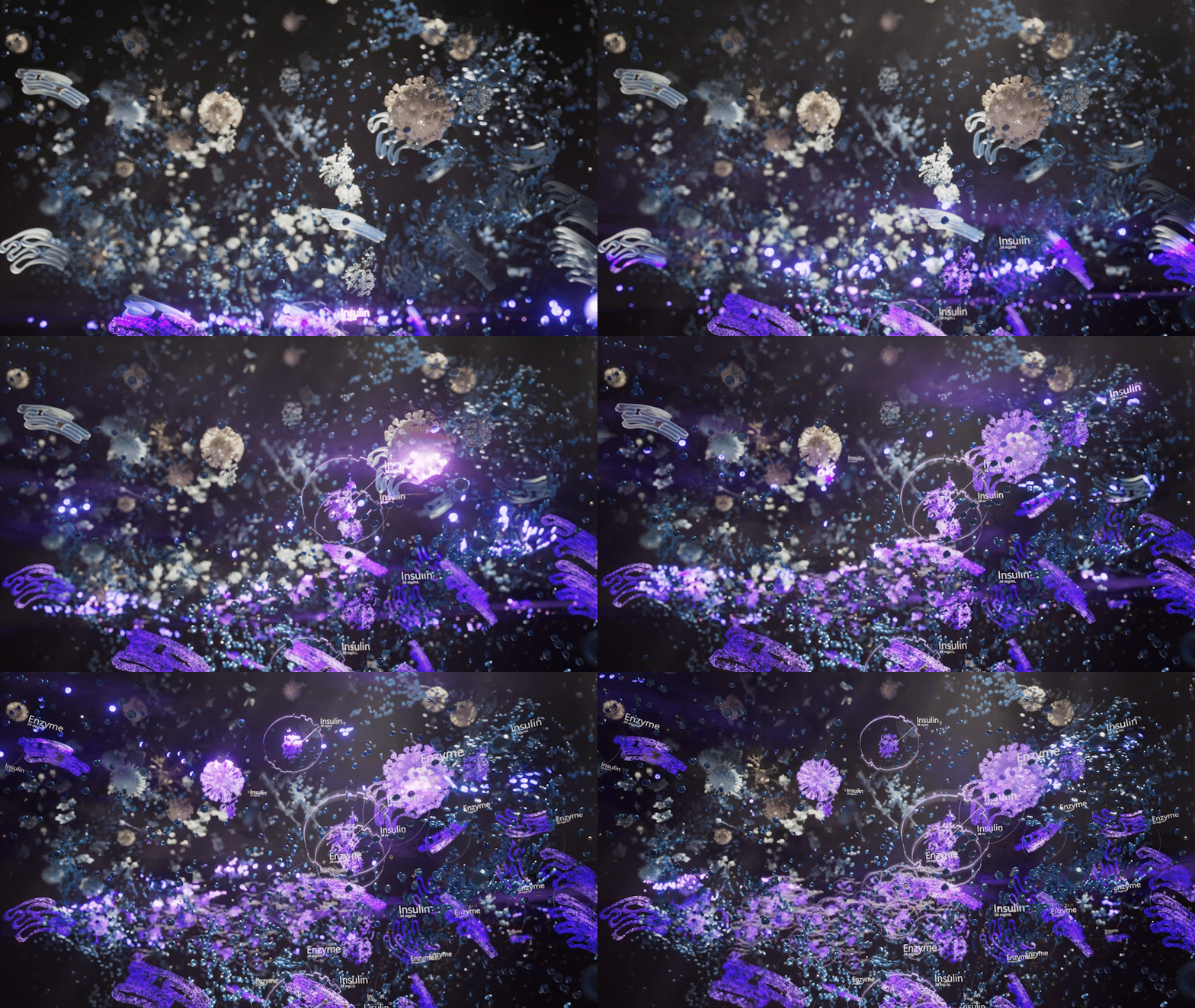
II resource intensive 3D scenes
To create a detailed 3D prototype of the Terrament concept, we had to understand how it worked at a new level of detail. Because Terrament was still being developed, that meant we were solving design problems with Eric in real-time over live modeling sessions.
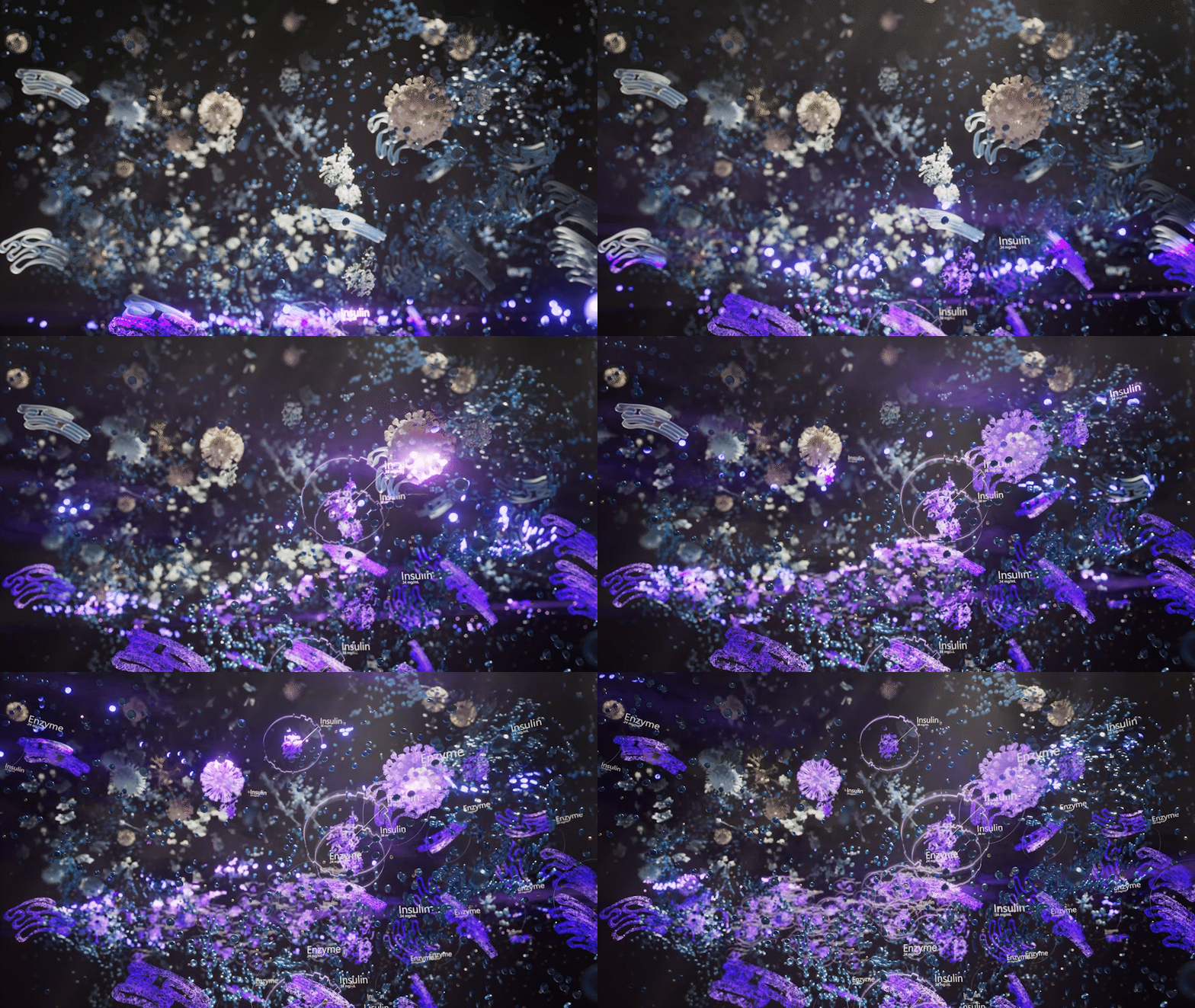
III innovative AI + 3D workflows
When designing the surrounding environment, we needed to consider what a realistic location would entail. We wanted to paint a vision of a green, sustainable future, while incorporating logistical necessities. Lastly, it was important to the story we showed the passage of time to show that Terrament worked anytime of day.
visual
design
In the end, hundreds of small brush strokes came together to create one cohesive vision. The Terrament system itself had carts, casings, track and underground infrastructure. The power infrastructure meant building a substation, power lines and wind turbines. Then there was the environment itself which involved rendering large areas of animated grass. These elements all brought their own technical challenges that pushed our ability to create large scale environments.

visual
design
In the end, hundreds of small brush strokes came together to create one cohesive vision. The Terrament system itself had carts, casings, track and underground infrastructure. The power infrastructure meant building a substation, power lines and wind turbines. Then there was the environment itself which involved rendering large areas of animated grass. These elements all brought their own technical challenges that pushed our ability to create large scale environments.


visual
design
In the end, hundreds of small brush strokes came together to create one cohesive vision. The Terrament system itself had carts, casings, track and underground infrastructure. The power infrastructure meant building a substation, power lines and wind turbines. Then there was the environment itself which involved rendering large areas of animated grass. These elements all brought their own technical challenges that pushed our ability to create large scale environments.